
EV Charger After-Sales Support: What European Distributors Should Require Before the First Order
Short answer
For an EV charger distributor, after-sales support is not a customer-service detail added after the sale. It is part of the product you are buying. A charger that is easy to diagnose, repair and keep online protects your margin; a charger that needs a factory engineer for every fault turns your team into an unpaid service department.
Before placing a first order, require a written after-sales package covering warranty scope, fault diagnosis, spare parts, firmware, remote support, replacement timing, training and escalation. Ask for the same information for every model in the portfolio, from a portable AC charger to a commercial wallbox and a DC fast charger. The goal is not to demand an unrealistic promise. The goal is to know exactly who does what when a charger stops working.
Why after-sales support changes the economics of a charger order
The purchase price is visible on the quotation. Service cost is not. It appears later as installer call-outs, replacement freight, troubleshooting time, customer credits, returned units and lost confidence in the next project.
For a distributor, the cost is multiplied across a portfolio. One unclear fault process might be manageable on one unit. The same process becomes expensive when a fleet operator has ten chargers at different sites, a hotel has a mix of wallboxes and portable units, or an installer needs to commission a new batch without waiting for a specialist.
Good after-sales support reduces four types of friction:
- Diagnosis friction: the installer can identify whether the fault is power, installation, communication, connector or hardware related.
- Parts friction: common replacement items are identified, stocked and shipped through a known route.
- Software friction: firmware and backend compatibility are handled without losing configuration or charging history.
- Responsibility friction: the distributor, installer and manufacturer know where the hand-off occurs.
The eight elements of a serious support package
Ask the supplier to document these eight elements before you approve a sample or negotiate a larger order. A general statement such as “we provide technical support” is not enough to build a service process around.
| Element | What to request | Why it matters |
|---|---|---|
| Warranty scope | Duration, covered parts, exclusions, labour and freight responsibility | Prevents disputes when a site fault is caused by installation, misuse or a component failure |
| Fault intake | Support email or ticket route, required evidence and escalation contact | Stops installers sending incomplete information through several channels |
| Diagnostic tools | Error-code list, commissioning checklist, wiring checks and log-reading method | Shortens the time from “not working” to a useful diagnosis |
| Spare parts | Part numbers, recommended stock, lead time and compatibility by model | Lets the distributor hold the parts that actually reduce downtime |
| Firmware policy | Version history, release notes, update method and rollback approach | Protects installed units when the backend or local requirements change |
| Replacement process | RMA criteria, return address, advance replacement option and evidence required | Clarifies whether the failed unit travels before or after a replacement ships |
| Training | Installer training, videos, manuals and remote commissioning support | Prevents avoidable site visits and inconsistent installation quality |
| Escalation | Named technical owner, response target and path for safety-critical issues | Gives the distributor a route when normal support cannot close the fault |
Warranty: compare the words, not only the number
“Two-year warranty” sounds clear until you ask what it includes. Does the period start on shipment, delivery, installation or commissioning? Is replacement freight included? Does the supplier repair the unit, send a module, or replace the complete charger? Is labour at the site covered? What happens when the product is resold through a distributor?
These questions matter because EV chargers are installed products. A fault may require an electrician, a lift, a traffic-management arrangement or a second visit. The replacement part might be inexpensive while the site visit is not.
Use a warranty matrix for every product family:
- Warranty start event and warranty length.
- Covered hardware: control board, display, contactor, cable, connector, meter, RFID reader and communication module.
- Excluded events: incorrect wiring, water ingress from installation, impact, unauthorised modification, unstable supply or unapproved firmware.
- Evidence required: serial number, photographs, error code, voltage readings, event log and installation date.
- Commercial remedy: repair, replacement part, complete replacement, credit or another agreed solution.
- Freight and customs responsibility for the failed unit and the replacement.
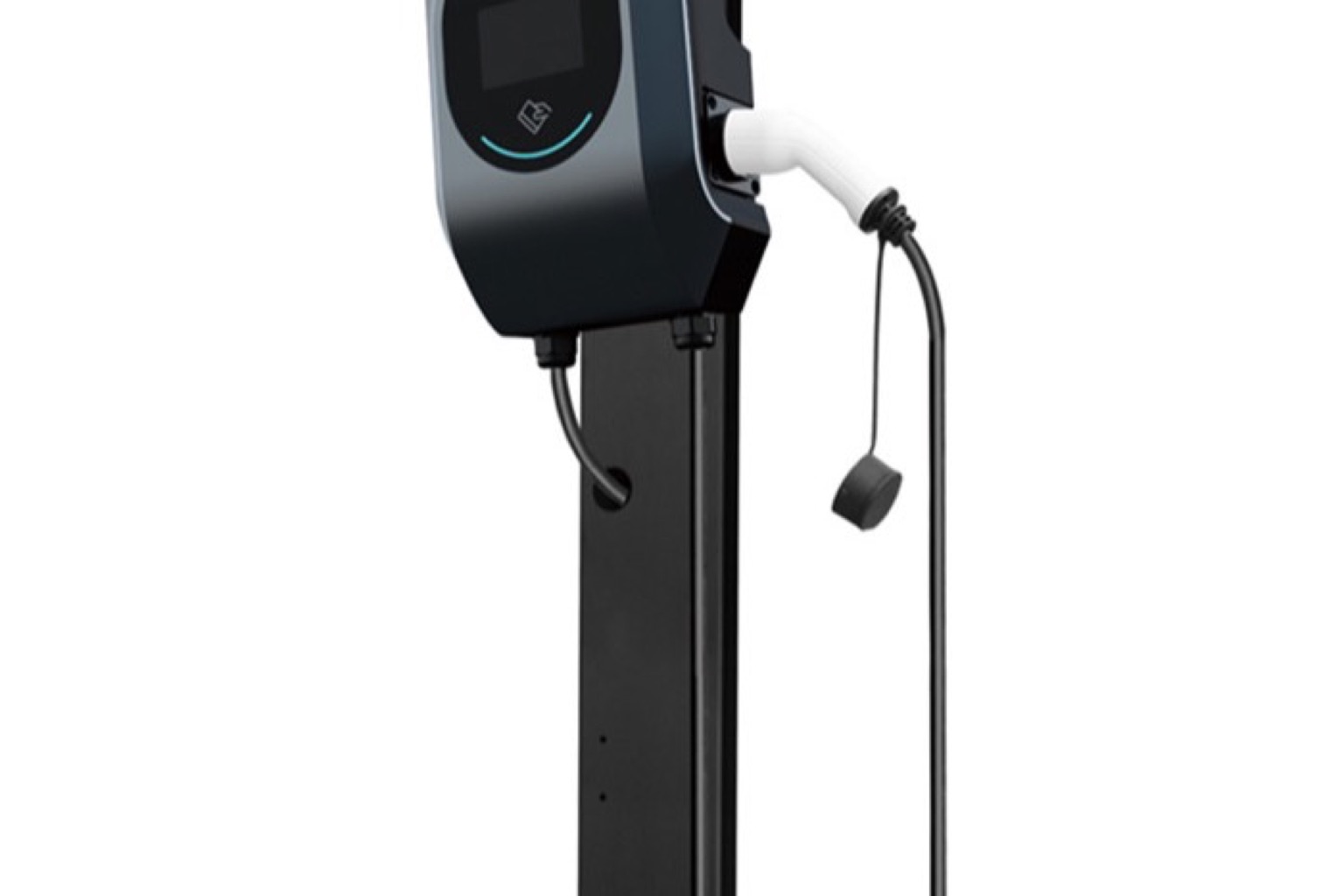
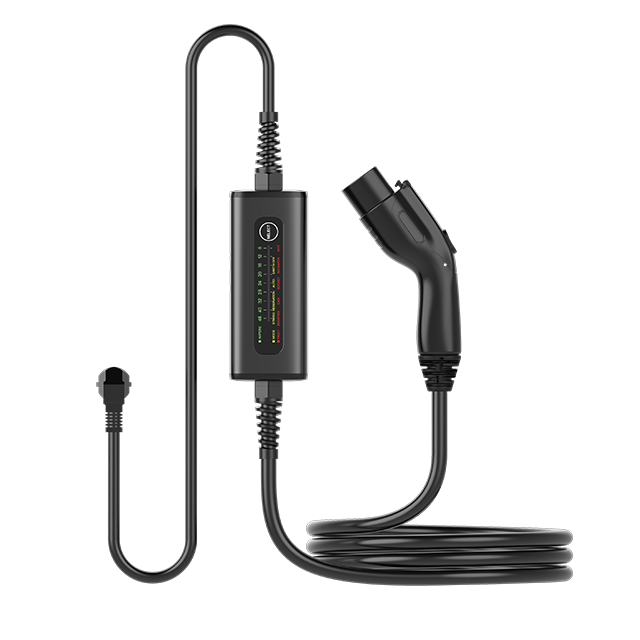
Amprisen product pages currently list a 2-year warranty for the AC charger with Monta OCPP app, and 24 months with possible extension for the Athena portable EV charger series. Treat these as product-specific terms to confirm in the quotation and warranty document, not as a substitute for reading the exclusions and process.
Make diagnosis possible for the installer
The first line of support should not begin with “please send the unit back”. Most first-line faults can be narrowed down if the installer has the right information.
Start with a fixed evidence pack
Ask the installer to capture the model, serial number, firmware version, installation date, error code, LED state, supply voltage, RCD behaviour, connector condition and a short video of the fault. For a networked unit, add backend status, OCPP log or event timestamp. This makes the first ticket useful rather than merely opening a conversation.
Separate site faults from product faults
A charger that will not start may have a supply problem, incorrect protective device, missing earth, cable issue, vehicle-side problem, RFID configuration issue or backend authorisation failure. A diagnostic tree should test the simple, safe causes before a board is replaced. That protects both the customer and the manufacturer from unnecessary RMA shipments.
Give support tools a version number
A PDF checklist that changes without a revision date creates confusion. Manuals, error-code tables, wiring diagrams and firmware notes should carry a version and applicable model range. If the supplier changes a control board or communication module, the distributor needs to know which documents remain valid.
Spare parts: stock the bottleneck, not the catalogue
A spare-parts list is valuable only if it helps you restore a site. Ask the manufacturer to divide parts into three groups:
- Fast-moving consumables: connector caps, holsters, cable glands, fuses, covers and sealing parts that can be damaged or lost during installation.
- Field-replaceable modules: contactors, RFID readers, displays, communication boards, meters or control boards that a trained electrician can replace safely.
- Factory-level parts: power modules, cabinet assemblies or parts that require special testing, calibration or high-voltage procedures.
For each item, record the part number, compatible model, revision, package size, storage condition, expected lead time and whether an old part can be replaced by a new revision. Do not build stock from photographs alone. Request a labelled spare-parts list and, for critical items, a sample replacement procedure.
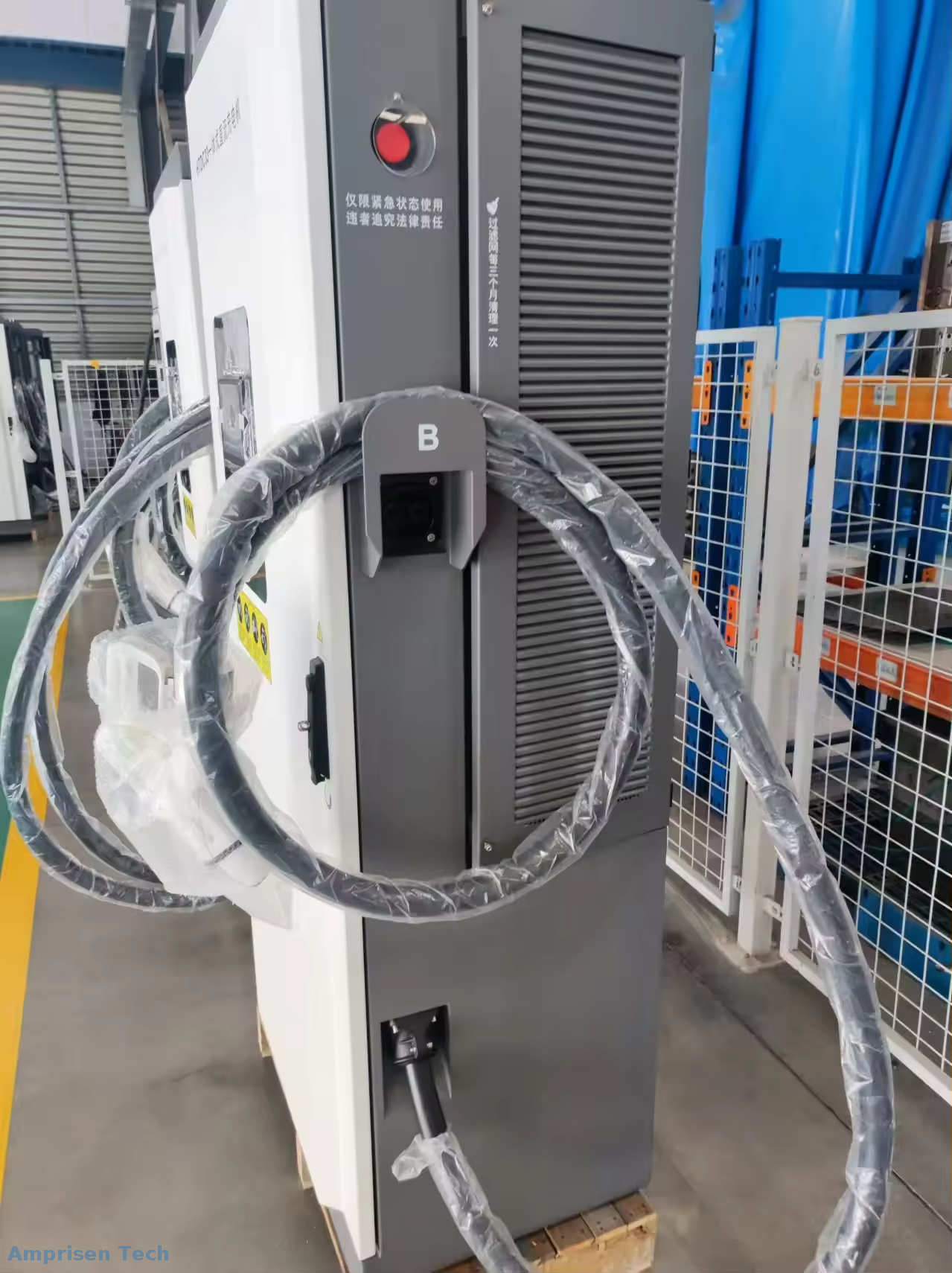
For DC fast chargers, the parts strategy is especially important. A cabinet can include power modules, cooling components, contactors, control electronics, displays and communication hardware. A distributor should understand which parts can be changed locally and which require factory intervention before promising a service level to the end customer.
Firmware and backend support are part of after-sales
A charger can be electrically healthy and still be unavailable to the driver because it cannot authenticate, connect to the backend or complete a transaction. That is why after-sales support must cover software as well as hardware.
For a networked charger, ask:
- Which OCPP versions and profiles are supported for the exact model and firmware version?
- Can the installer export logs without factory access?
- Can firmware be updated locally, remotely or both?
- What happens if an update is interrupted?
- Can the unit retain configuration and charging records during a network outage?
- Which settings are controlled by the charger, the backend and the mobile application?
- How are credentials, certificates and SIM or network settings transferred during replacement?
The Amprisen DC fast charger product page describes OCPP compliance, including examples such as OCPP 1.6J and OCPP 2.0.1. A buyer should still confirm the exact supported version, tested backend combinations and feature limits for the ordered configuration. “OCPP compliant” is a starting point for testing, not a complete support plan.
Sample approval should include a support test
Many buyers test only charging performance before placing an order. Add a support simulation to the sample approval checklist. Ask the supplier to run a controlled fault scenario and record the route from first report to resolution.
- Disconnect the network or simulate a backend authorisation issue.
- Record the error code and confirm how the installer retrieves it.
- Open a support ticket with the evidence pack.
- Check the response format: diagnosis, next test, safety warning and expected next step.
- Request the relevant part number or firmware note if a replacement is needed.
- Close the ticket with a written root cause and prevention note.
This exercise reveals more than a polished product demonstration. It shows whether the supplier has a repeatable support process, whether the documentation is usable and whether the distributor can handle first-line support without guessing.
After-sales questions for the first supplier meeting
| For installers | What information must be captured before opening a ticket? Which repairs can a trained electrician perform? Which actions are prohibited without factory approval? |
|---|---|
| For distributors | Who owns the customer relationship during an RMA? Can we hold spare parts? Are manuals and firmware notes available before shipment? |
| For fleet operators | How are multiple serial numbers, firmware versions and site logs managed? What is the replacement path if a unit is unavailable? |
| For network partners | Which OCPP version and backend combinations have been tested on the exact product configuration? How are logs and certificates handled? |
| For finance teams | Who pays for return freight, customs, labour, emergency replacement and repeat site visits under each fault scenario? |
Frequently asked questions
Is a longer warranty always better?
No. A longer period is useful only when the scope, exclusions, evidence and remedy are clear. A shorter but well-defined warranty can be easier to operate than a longer promise that leaves freight and labour unresolved.
Should a distributor repair chargers locally?
Only for work that is safe, documented and approved for the product. Local repair can reduce downtime, but it requires training, tools, spare parts, revision control and a clear record of who performed the work. High-voltage or factory-calibrated repairs should remain with appropriately qualified personnel.
What is the minimum information for an EV charger support ticket?
At minimum: model, serial number, firmware version, installation date, error code, LED state, supply and protection details, connector condition, a description of what happens, and photographs or a short video. For networked chargers, add backend status and the time of the failed transaction.
Does OCPP support remove the need for manufacturer support?
No. OCPP helps a charger communicate with a compatible backend, but it does not guarantee that every profile, feature or firmware combination behaves identically. The supplier still needs to provide tested versions, logs, update procedures and escalation support.
How should I compare after-sales support between two suppliers?
Use the same fault scenario and request the same documents from both suppliers. Compare the time to a useful diagnosis, the clarity of the RMA process, spare-parts availability, firmware control, training and the cost responsibilities. A live support simulation is more informative than a generic service brochure.
What Amprisen buyers should confirm before ordering
Amprisen supplies AC wallboxes, portable EV chargers and DC fast chargers for distributors, installers and fleet projects. Product families have different service requirements: the AC charger with Monta OCPP app lists 7/11/22 kW options and a 2-year warranty; the Athena portable series lists 24-month warranty coverage with possible extension; and the DC fast charger range is described as OCPP-compliant for integration with charging network management systems.
Before a first order, share the target country, installation type, quantity, backend, expected service model and the level of local repair you want to provide. We can then align the quotation with the right manuals, spare-parts list, commissioning documents, firmware and escalation route instead of treating after-sales support as an afterthought.
Explore related EV charging topics
These topic links help readers and search engines connect this article with related market, product, and application pages.
Project notes for EV charging buyers
EV charging project notes and buyer guidance
Use this article to understand product selection, market standard, and project requirements before contacting Amprisen.
Main topic
B2B Buyer Guide, EV Charger, EV Charger Distributor, EV Charger Installation, EV Infrastructure
Product relevance
Related news category: Industry News
Next step
Share target market, connector standard, power range, quantity, certification, and backend requirements before quotation.
Buyer checklist
| Market | Residential, commercial, fleet, or public charging |
|---|---|
| Specification | Connector, power, communication, certification |
| Outcome | A clearer product shortlist and quotation request |
Related solution pages
Use these links to move from article context to actual product evaluation.