
Charging Cable Products
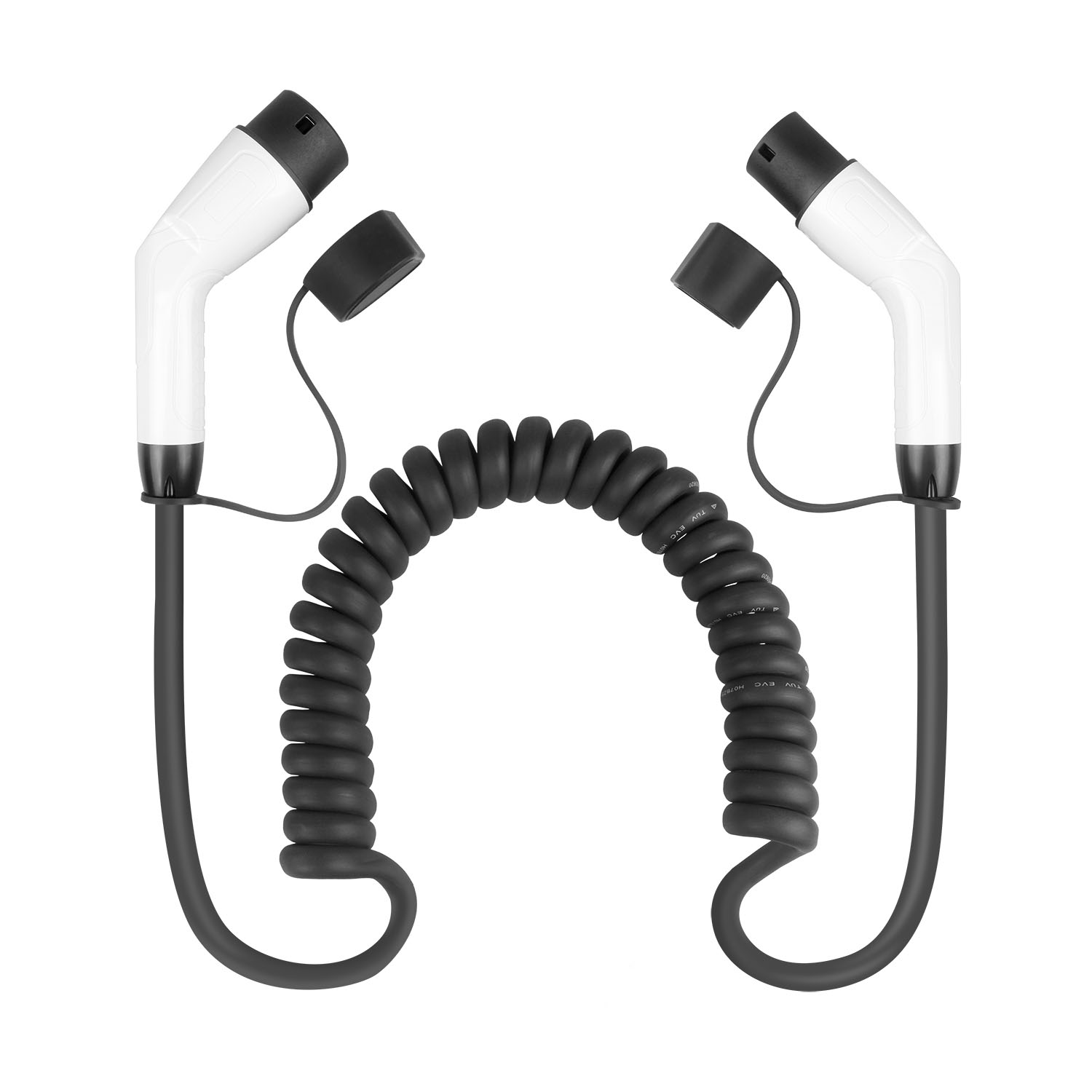
EV charging cable selection guide
EV charging cables for Type 1, Type 2, and project-specific charging connections
Amprisen charging cables support EV charger distributors, installers, fleet operators, and aftermarket buyers that need reliable connector-to-connector cable assemblies for residential, workplace, fleet, and public charging projects.
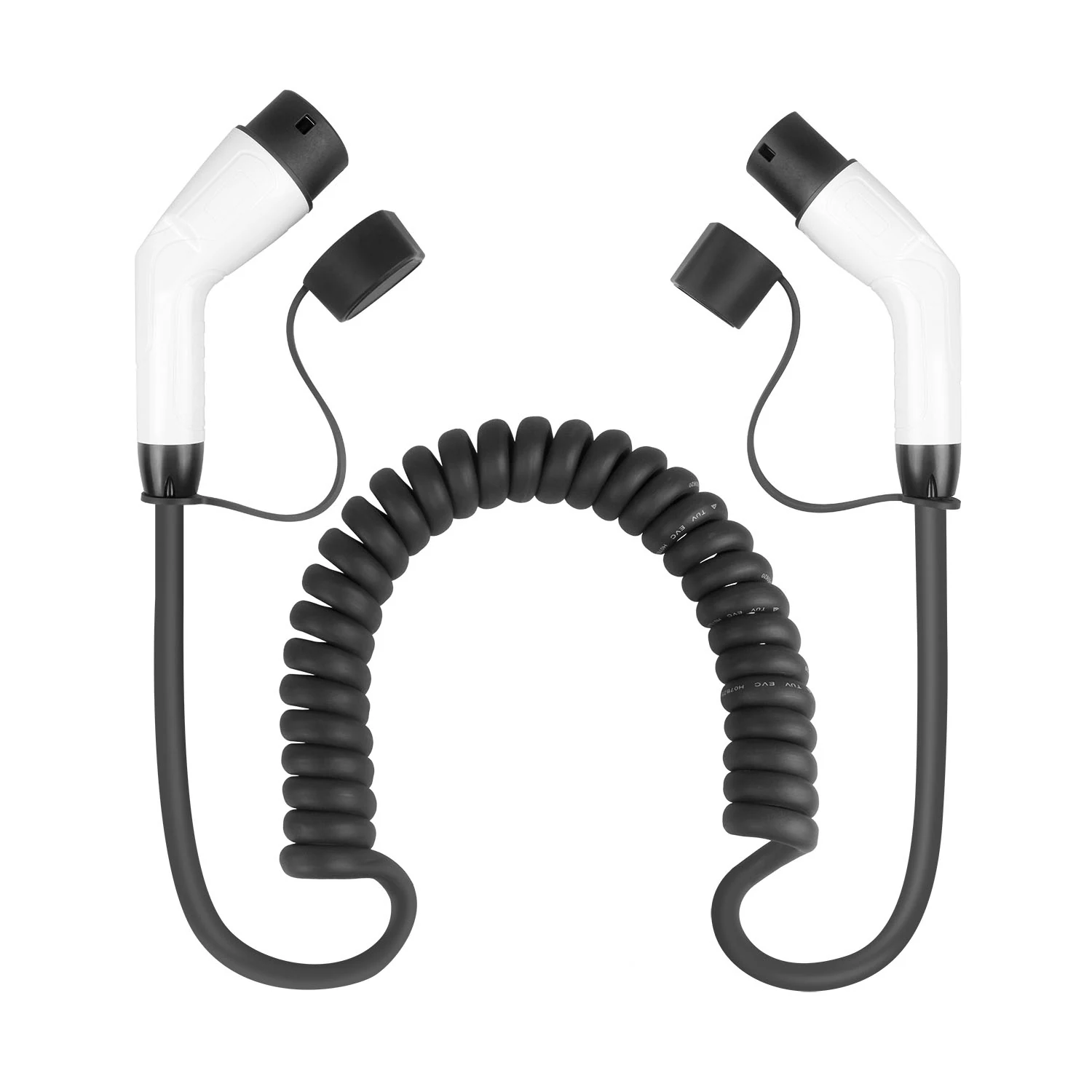
An EV charging cable is a connector-to-connector accessory, not a portable charger; buyers should confirm connector standard, current rating, voltage, phase wiring, cable length, IP rating, and certification.
Specification focus for buyers
| Decision area | What to confirm |
|---|---|
| Connector ends | Confirm vehicle-side and charger-side connector standards before current rating or cable length. |
| Electrical rating | Confirm current, voltage, single-phase or three-phase wiring, and certification for the target market. |
| Physical design | Check cable length, jacket durability, strain relief, connector ergonomics, storage, IP rating, and packaging. |
| Accessory scope | Do not confuse charging cables with portable chargers; cables do not include charging-control electronics. |
Key capabilities
- Type 1 and Type 2 charging cable configurations
- Connector-to-connector EV cable assemblies for AC charging
- Cable length, current rating, and market-specific configuration support
- B2B sourcing support for distributors, installers, and charging accessory buyers
Best-fit applications
- Home and workplace EV charging accessories
- Replacement charging cables for AC charging stations
- Fleet and parking operator cable procurement
- Distributor and aftermarket EV charging accessory programs
Selection checklist
- Confirm connector standard on both vehicle and charger sides
- Confirm current rating, phase, and cable length requirements
- Check IP rating, jacket durability, plug ergonomics, and storage needs
- Share target market, certification, labeling, packaging, and quantity requirements
Procurement fit
Charging cables fit distributors, installers, fleet operators, and replacement accessory buyers that need reliable connector-to-connector cable assemblies rather than a complete portable charger with electronics.
Market and standards notes
Confirm Type 1, Type 2, or project-specific connector requirements, rated current, voltage, single-phase or three-phase use, cable length, jacket durability, IP rating, certification, labeling, and packaging.
Implementation risks to confirm
Avoid treating all cables as generic accessories; connector ergonomics, cable flexibility, strain relief, storage habits, and replacement compatibility affect warranty risk and end-user satisfaction.
Common buyer questions
How should buyers choose an EV charging cable?
Confirm the connector standard on both ends, charging current, single-phase or three-phase use, cable length, target country, certification requirements, and whether the cable is for replacement, retail distribution, or project installation.
Are charging cables different from portable EV chargers?
Yes. A charging cable is usually a connector-to-connector accessory for an AC charging station, while a portable EV charger includes control and protection electronics for charging from a power outlet or industrial socket.
What information is needed for a charging cable quotation?
Send connector type, rated current, cable length, phase, target country, certification needs, branding or packaging requirements, and estimated order quantity.