
Portable EV Charger Products
-
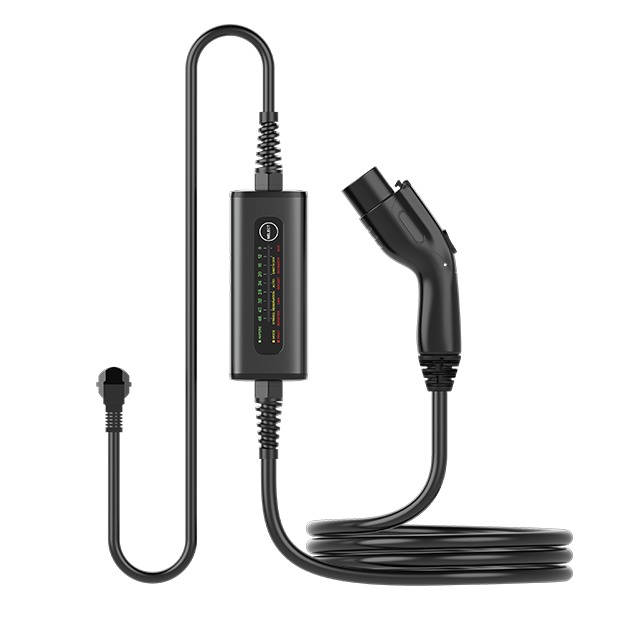
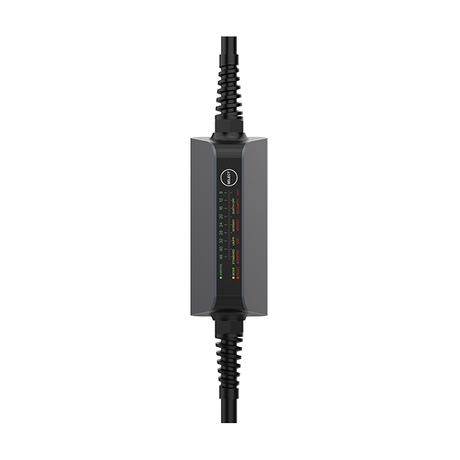
Athena Portable EV Charger Series
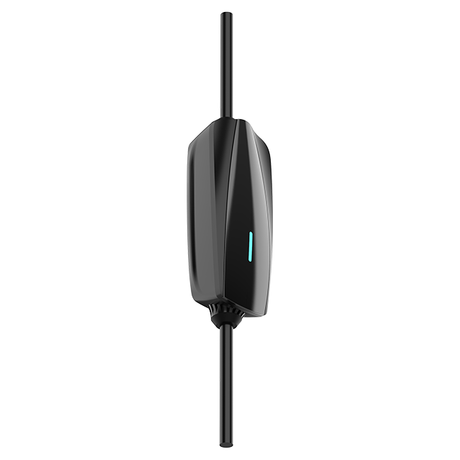
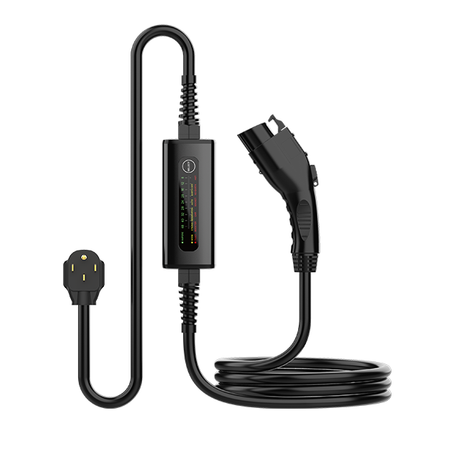
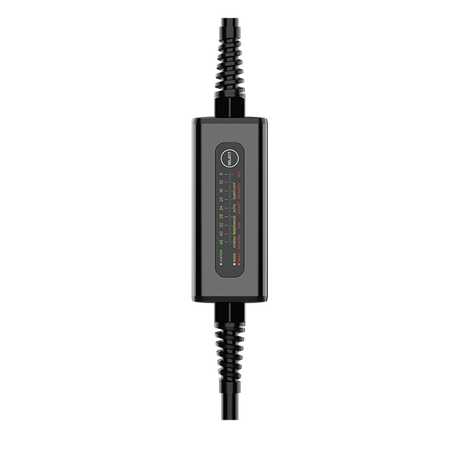
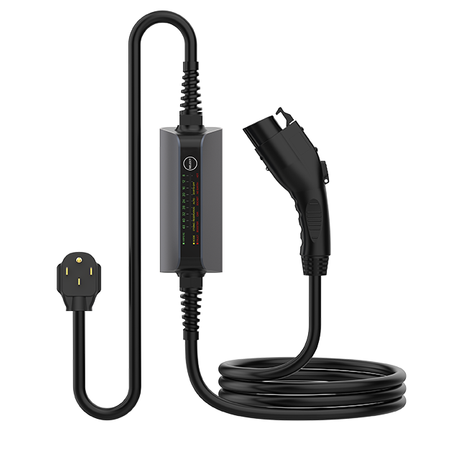
3.5-22kWType1/Type2/GBTPortable4G OCPP optionalAthena Portable EV Charger Series
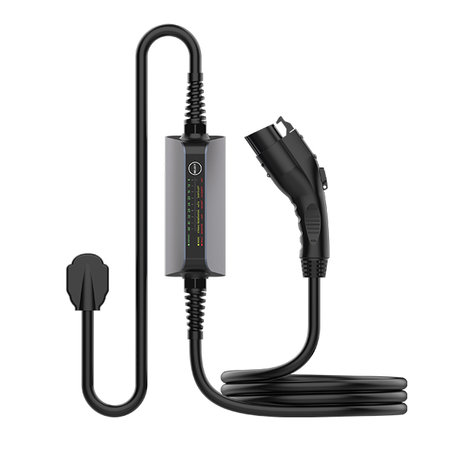
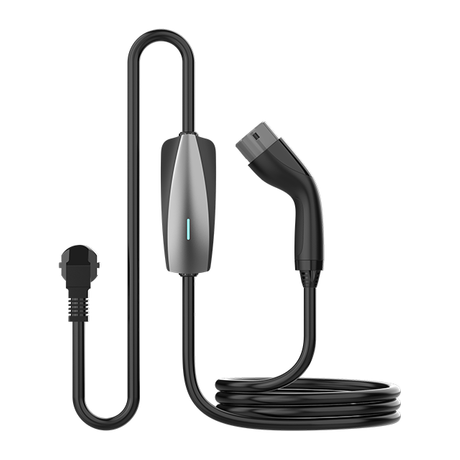
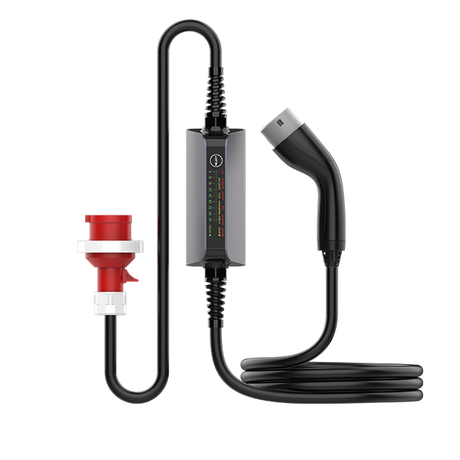
EV charger buying guide
Portable EV chargers with Type 1, Type 2, GBT, App and OCPP options
Amprisen portable EV chargers cover flexible charging projects where buyers need the right connector standard, input plug, power level, safety protection, and optional smart control before choosing a model. The range includes EU Type 2 three-phase options up to 22kW for fleet backup, rental, mobile service, and temporary charging use.
A portable OCPP EV charger is a movable EVSE that can support flexible charging and, when configured with 4G or backend connectivity, remote monitoring, charging records, fleet reimbursement, and user authorization.
Specification focus for buyers
| Decision area | What to confirm |
|---|---|
| Market connector | Match Type 1, Type 2, or GBT connector and input plug to the target country before choosing power. |
| Power and phase | Compare 3.5kW, 7kW, 9.6kW, 11.5kW, and 22kW by phase, current, socket type, and grid availability. |
| OCPP and 4G | Use OCPP, 4G, app, and charging records when fleet reimbursement, remote monitoring, or operator control is needed. |
| Safety and records | Confirm MID metering, RCD protection, leakage detection, labeling, and safety documentation when portable chargers are used for fleet, reimbursement, or regulated markets. |
| Variant accuracy | Make sure selected images, thumbnails, datasheet, inquiry model, and specifications match the chosen power and connector. |
Key capabilities
- Portable charging for temporary and flexible deployments
- 3.5kW to 22kW options by market and connector
- Type 2 22kW three-phase EU portable charging options
- App/OCPP-ready configurations for managed charging
- Type 1, Type 2, and GBT options
Best-fit applications
- Fleet backup charging
- Rental and mobile service charging
- Temporary site charging
- EU Type 2 three-phase portable charging projects
- Markets where fixed installation is difficult or delayed
Selection checklist
- Confirm plug and connector standard for the destination market
- Confirm current rating, phase, and cable length
- Define OCPP, 4G/WiFi, app, and backend requirements
- Confirm carry case, branding, safety protection, and certification needs
Procurement fit
Portable EV chargers fit flexible charging, fleet backup, mobile service, rental, and temporary deployment where fixed wallbox installation is slow, expensive, or not available.
Market and standards notes
Confirm Type 1, Type 2, or GBT connector, input plug, single-phase or three-phase power, current rating, cable length, carrying case, app needs, 4G, OCPP, MID metering, RCD protection, and target certification before quotation.
Implementation risks to confirm
The main risks are mismatched plug standards, over-specified OCPP for simple private use, unclear safety instructions, cable durability, network coverage for 4G models, and confusing similar shells with different power ratings.
Common buyer questions
Why use an OCPP portable EV charger?
An OCPP portable charger can combine flexible deployment with backend monitoring, user authorization, charging records, and fleet or operator control where fixed chargers are not practical.
Can portable EV chargers support 4G communication?
Portable charger projects can be configured around the required communication method. If 4G or backend access is required, confirm network bands, SIM approach, OCPP platform, and target market during quotation.
Can portable EV chargers support MID metering or RCD protection?
Some portable charger projects may require MID metering for reimbursement records or specific RCD protection for local electrical compliance. These requirements are model- and market-dependent, so they should be confirmed before quotation.
Which portable charger power options are typical?
Common portable EV charger options include 3.5kW, 7kW, 9.6kW, 11.5kW, and 22kW depending on single-phase or three-phase power and connector standards.