
Half Taxes Half Electricity Expenses
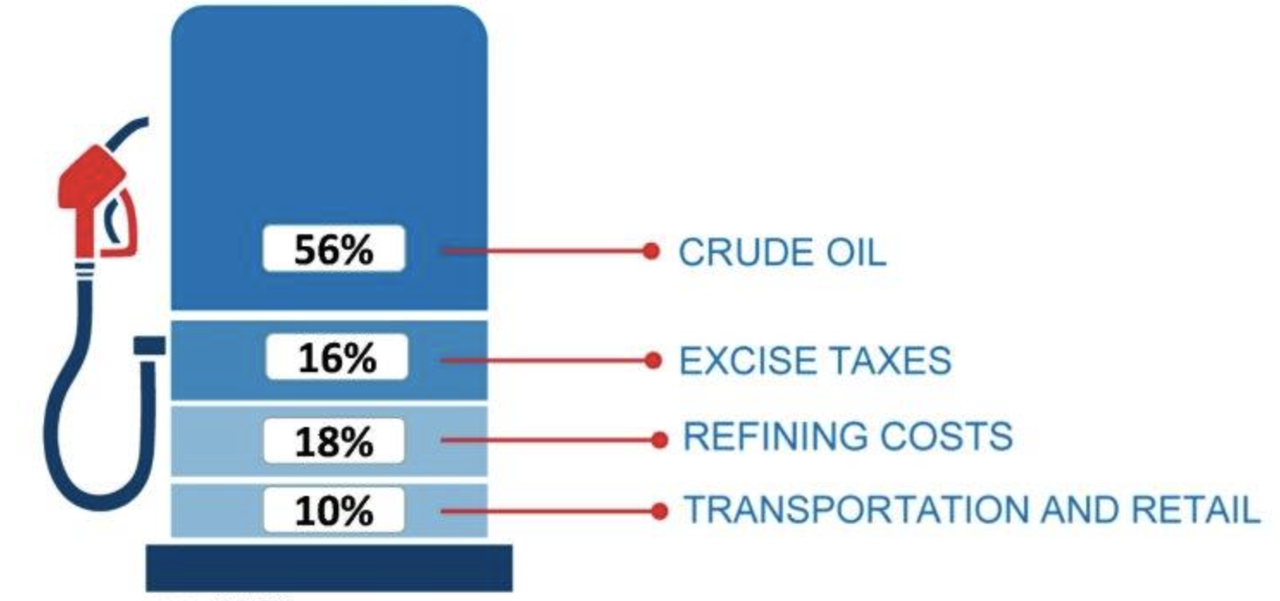
The question of whether charging for electric vehicles (EVs) will be subject to various taxes similar to gasoline in the future is a highly debated topic. My perspective is that, despite the current trend of providing incentives for EVs, as they become more widespread, governments might reconsider their tax policies.
Firstly, the rise of electric vehicles is often driven by environmental policies aimed at reducing carbon emissions. However, with the increasing prevalence of EVs, governments may face a challenge in terms of reduced revenue from traditional fuel vehicle taxes. This could prompt a reevaluation of tax policies related to charging for electric vehicles to balance fiscal needs.
Secondly, the construction and maintenance of charging infrastructure also require funding. While some countries currently encourage EV development through subsidies and exemptions, the sustainability of this model is questionable. Governments may contemplate introducing charging taxes or other forms of fees to support the development and upkeep of charging infrastructure.
However, this perspective is likely to spark controversy. Supporters of electric vehicles argue that EVs have already made significant contributions to the environment and climate change mitigation, and therefore, should not bear tax burdens similar to traditional fuel vehicles. They may advocate for alternative means to support charging infrastructure, such as using renewable energy sources or devising more innovative funding methods.
In conclusion, the future impact of taxes on electric vehicle charging, akin to gasoline, depends on various factors, including government fiscal needs, the market penetration of electric vehicles, and societal acceptance of environmental policies. This issue will undoubtedly become a focal point of attention for policymakers, industry stakeholders, and society at large in the future.
Explore related EV charging topics
These topic links help readers and search engines connect this article with related market, product, and application pages.
Project notes for EV charging buyers
EV charging project notes and buyer guidance
Use this article to understand product selection, market standard, and project requirements before contacting Amprisen.
Main topic
EV Infrastructure
Product relevance
Related news category: Industry News
Next step
Share target market, connector standard, power range, quantity, certification, and backend requirements before quotation.
Buyer checklist
| Market | Residential, commercial, fleet, or public charging |
|---|---|
| Specification | Connector, power, communication, certification |
| Outcome | A clearer product shortlist and quotation request |
Related solution pages
Use these links to move from article context to actual product evaluation.