
EU AFIR Regulation 2026: Charging Infrastructure Mandates and What B2B Buyers Must Prepare
Short answer
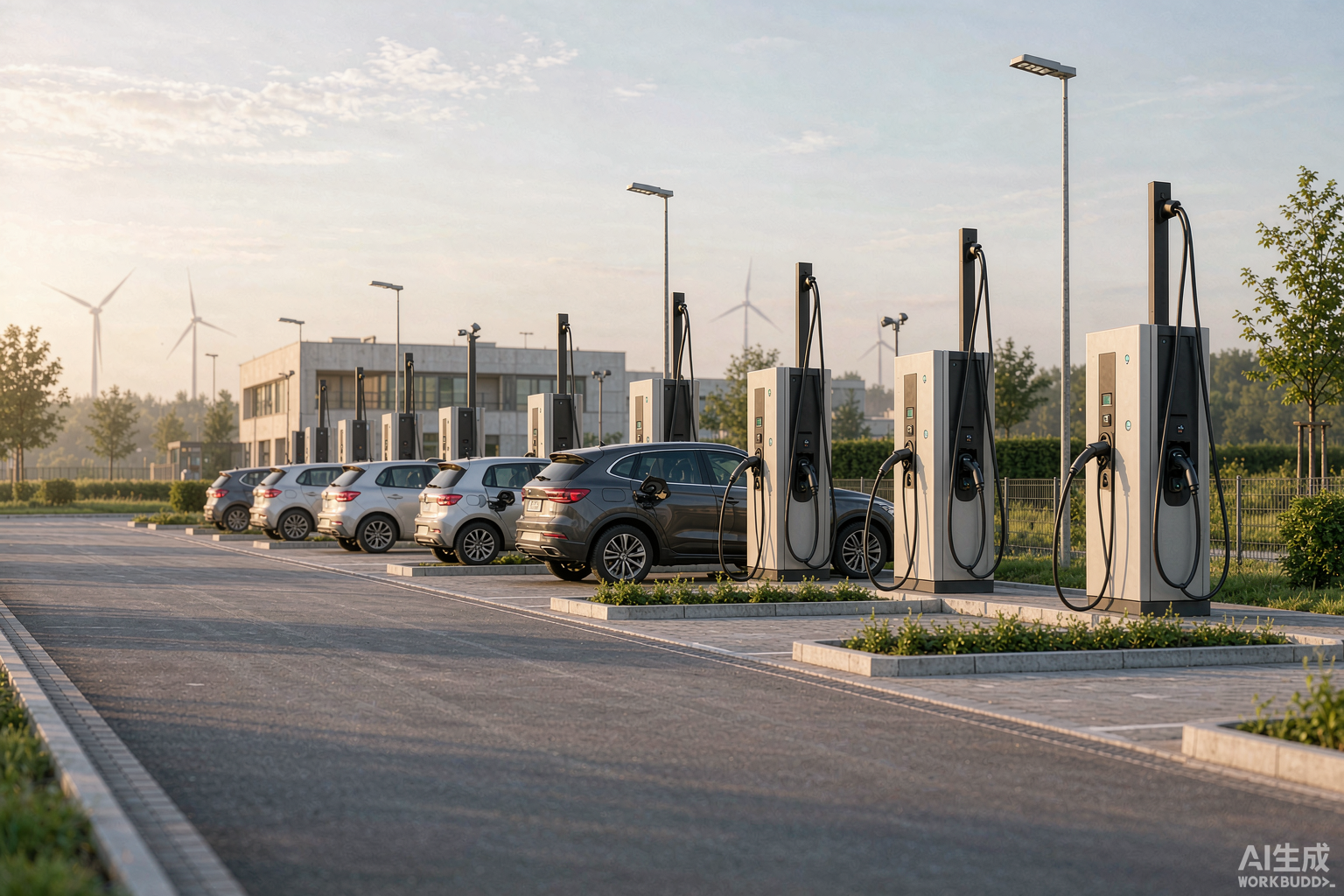
The Alternative Fuels Infrastructure Regulation (AFIR, EU 2023/1804) requires EU member states to deploy electric vehicle charging pools along the Trans-European Transport (TEN-T) network at defined intervals, with minimum power thresholds that scale through 2030. It mandates ad-hoc payment without subscriptions, transparent per-kWh pricing, and interoperable communication between charging stations and backends. For distributors, charge-point operators, and installers, AFIR creates predictable multi-year demand for both DC fast chargers along highway corridors and AC destination chargers in urban and workplace settings. Buyers who align product specifications — OCPP compliance, MID metering, payment terminal integration, and connector types — with AFIR requirements now will be positioned for national tender cycles as member states publish their deployment plans.
What is AFIR and why it changes EV charging procurement
AFIR is the regulation that replaced Directive 2014/94/EU on alternative fuels infrastructure. It entered into force in October 2023 and became applicable from April 2024. Unlike its predecessor directive, AFIR is a directly applicable EU regulation: member states cannot delay implementation through national transposition — they must comply on the dates specified in the legal text.
The regulation sets binding deployment targets for EV charging along the TEN-T core and comprehensive networks, at urban nodes, and at safe parking areas. It also introduces consumer protection rules for payment methods, pricing transparency, and cross-border roaming. For B2B buyers, the significance is direct: AFIR mandates infrastructure that does not yet exist at the required scale, and each member state must publish a National Implementation Framework (NIF) that translates the regulation into country-specific tender calendars, location plans, and subsidy programs.
Highway charging mandates: distance, power, and connectors
AFIR’s most impactful provisions concern the TEN-T network, which comprises Europe’s most important transport corridors. The regulation distinguishes between the core network (major highways) and the comprehensive network (secondary corridors).
TEN-T core network — light-duty vehicles
On the core network, AFIR requires charging pools for light-duty vehicles at least every 60 kilometers. Each pool must deliver a minimum total power output that increases over time, ensuring the infrastructure keeps pace with growing EV adoption and battery capacity.
| Deadline | Minimum pool power | Minimum dispenser power | Connector requirement |
|---|---|---|---|
| By end of 2025 | ≥ 400 kW | At least one point ≥ 150 kW | CCS Type 2 |
| By end of 2027 | ≥ 600 kW | At least two points ≥ 150 kW | CCS Type 2 |
| By 2030 (indicative) | ≥ 600 kW (sustained) | ≥ 150 kW per point | CCS Type 2 + MCS readiness |
The 60-kilometer interval means that on a typical 500-kilometer corridor, a driver will pass at least eight charging pools. For distributors, this translates to a quantifiable hardware requirement: each corridor segment needs multiple high-power DC chargers, not just one.
TEN-T comprehensive network
The comprehensive network covers secondary corridors and extends the deployment timeline by approximately two years. The 60-kilometer interval remains, but power thresholds are lower and compliance dates later. Distributors should expect tenders to open later but plan inventory now, because the specifications — DC fast chargers with CCS connectors, OCPP backends, and MID metering — are largely identical to core network requirements.
Heavy-duty vehicle corridors
AFIR also mandates charging infrastructure for heavy-duty vehicles on the core network. The distance interval for HDV charging pools is 60 kilometers on the core network and 100 kilometers on the comprehensive network. The power requirements are significantly higher, creating a separate procurement category for high-power DC chargers (300–500+ kW) and future Megawatt Charging System (MCS) connectors. Distributors serving logistics fleets should monitor HDV corridor tenders closely, as they represent the highest-value equipment orders.
Urban and destination charging
AFIR requires member states to ensure appropriate charging infrastructure at urban nodes — the designated points where urban infrastructure meets the TEN-T corridors. Urban nodes are typically city entrances, logistics hubs, and major parking facilities. The regulation does not prescribe exact charger counts but requires that deployment is sufficient to meet expected demand based on national EV adoption forecasts.
Payment transparency and ad-hoc charging
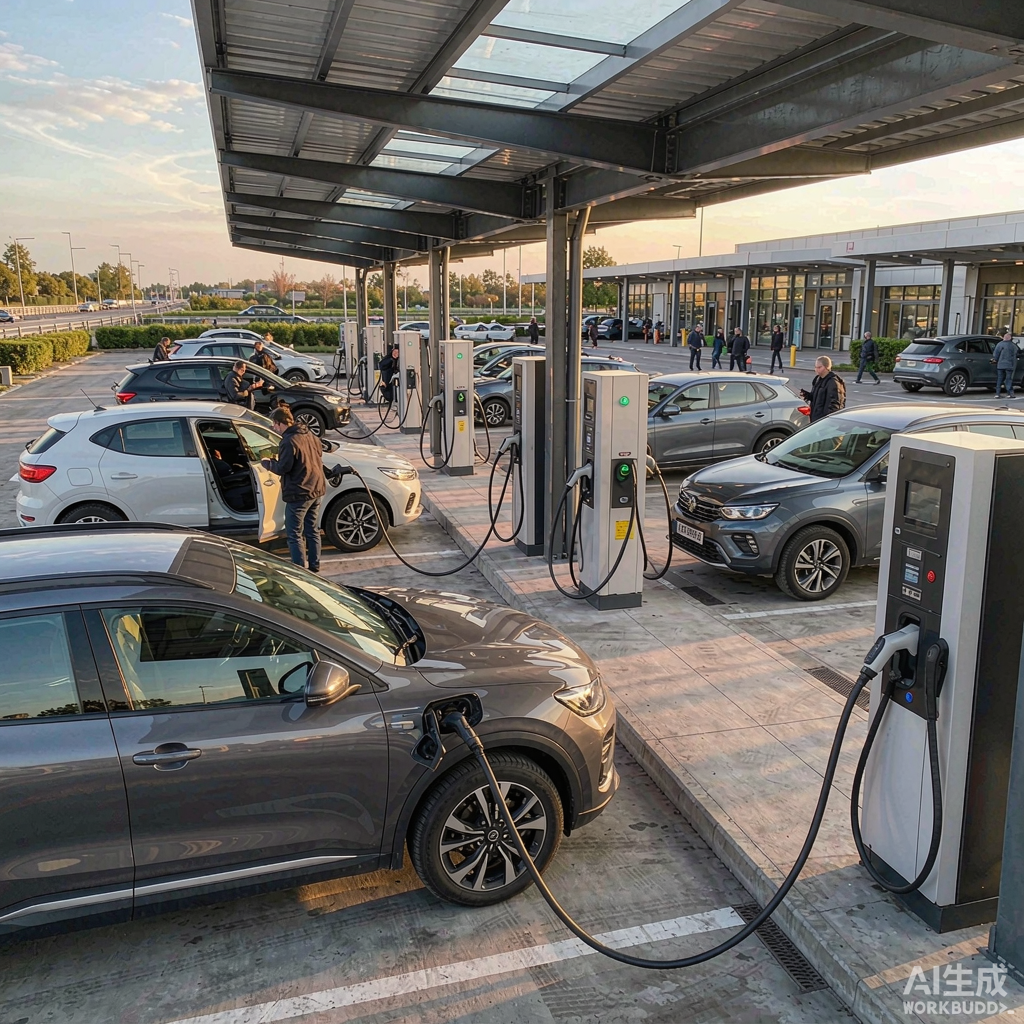
One of the most operationally significant AFIR requirements is the mandate for ad-hoc payment. Every publicly accessible charging station with power output above 50 kW must offer payment through an electronic payment terminal or device without requiring a subscription, registration, or membership. For stations below 50 kW, ad-hoc payment must also be available but may be offered through a QR code or similar method.
Additionally, AFIR requires transparent pricing. Operators must display the price per kWh, per minute, or per session both at the station and through digital channels. Consumers must be able to compare prices across stations and networks. This effectively eliminates the model of opaque subscription-only pricing that some early networks relied on.
For hardware buyers, this means chargers intended for public deployment must support:
- OCPP 1.6J or 2.0.1 for backend communication, roaming agreements, and remote session management
- Integrated payment terminal support — contactless card readers (NFC), QR code display, or external PIN-pad integration
- MID-certified metering for accurate per-kWh billing that is legally valid in most EU jurisdictions
- Real-time pricing display — either on a built-in screen or via a standardized API that consumer apps can query
These requirements apply to all public chargers but are most demanding at highway sites where downtime penalties and roaming volume are highest.
National implementation timelines
Each EU member state must submit a National Implementation Framework (NIF) to the European Commission. These frameworks define national targets, identify priority locations, outline support measures including subsidies and public procurement, and set reporting milestones. The Commission reviews and may request revisions to ensure the national plans collectively meet AFIR targets.
| Market | Key AFIR focus | Tender signal for buyers |
|---|---|---|
| Germany | TEN-T core corridors (A1, A3, A7), heavy HDV share | Fast-charger tender waves; high demand for 300+ kW DC units |
| France | Corridor coverage + rural gap-filling subsidies | Advenir program co-funds public and workplace AC chargers |
| Netherlands | Dense existing network, focus on upgrades and HDV | Replacement tenders; demand for 150+ kW and MCS readiness |
| Spain | Large gaps on core network, high growth potential | Moves Plan tenders; strong demand for both AC and DC |
| Poland | Expanding TEN-T coverage, emerging CPO market | Public procurement + EU fund-backed projects |
Buyers should track NIF publications and updates on each member state’s transport ministry website. The frameworks are revised periodically, and revisions often signal new tender waves or expanded subsidy eligibility.
What this means for distributors and installers
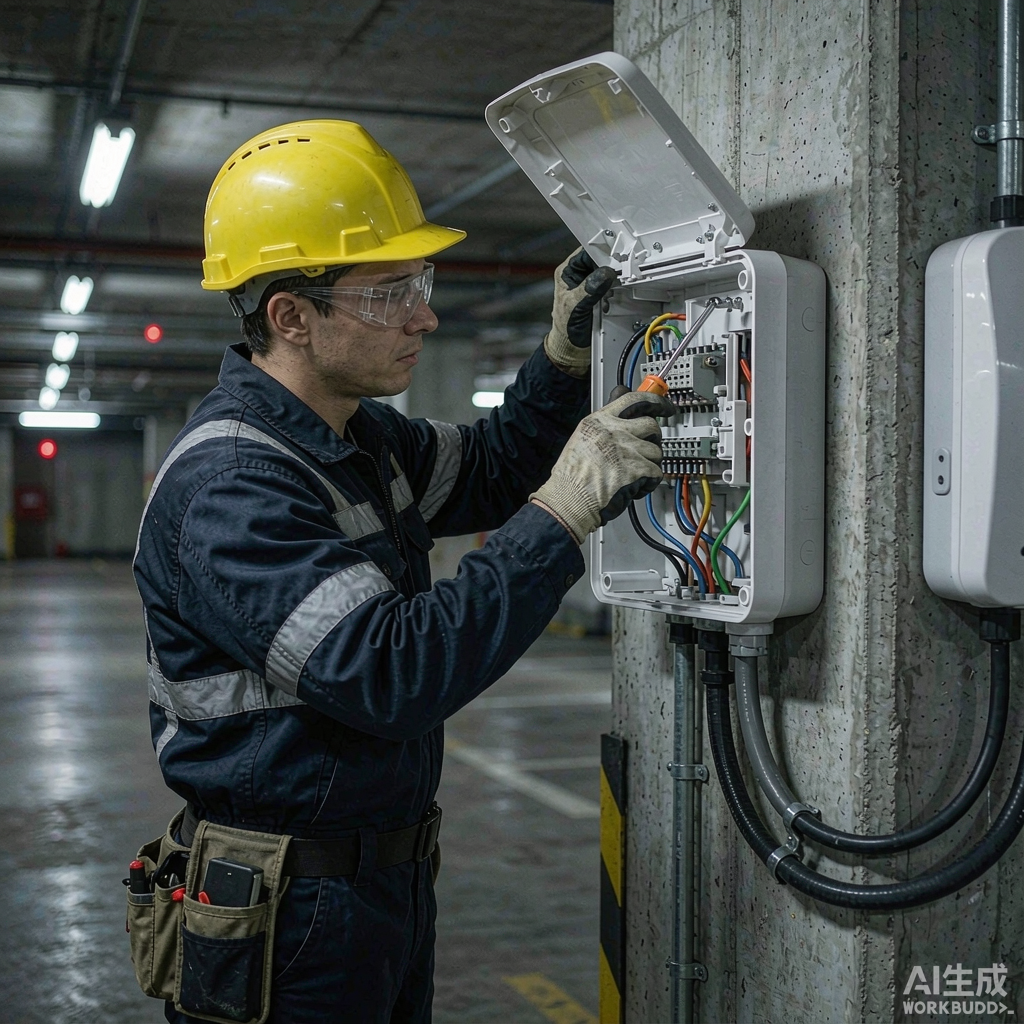
AFIR creates a structured, multi-year demand pipeline. Distributors and installers who understand the regulation gain several advantages:
- Align product roadmaps with AFIR deadlines. Stock chargers that meet the power, connector, and payment requirements before national tenders open. Lead times for DC fast chargers can exceed three months.
- Target corridor and urban node projects. Focus sales on highway operators, municipal authorities, logistics hubs, and retail chains along TEN-T corridors — these entities are directly accountable for AFIR compliance.
- Specify AFIR-compliant features early. OCPP 2.0.1, MID metering, ad-hoc payment, and CCS Type 2 should be baseline. Chargers without these features will not qualify for most AFIR-driven tenders.
- Monitor NIF publications. National frameworks reveal the tender calendar and subsidy windows for each market. Distributors who track NIFs can anticipate demand spikes and pre-position inventory.
- Position for HDV corridor build-out. Heavy-duty charging mandates represent the highest-value equipment orders. Distributors who build expertise in high-power DC and MCS connectors early will be preferred partners when HDV tenders open.
AFIR procurement checklist for B2B buyers
| Requirement | Why it matters under AFIR | What to specify |
|---|---|---|
| DC fast charger power rating | Core network pools need ≥ 400 kW total by 2025 | 150–360 kW per unit; plan pool totals to meet thresholds |
| CCS Type 2 connector | Mandatory for light-duty fast charging in the EU | Confirm CCS2 on all DC units; dual-cable for redundancy |
| OCPP version | Roaming, pricing display, and interoperability required | OCPP 2.0.1 preferred; 1.6J minimum with security profile |
| MID-certified meter | Per-kWh billing and pricing transparency mandate | Integrated MID module; request certificate number and accuracy class |
| Ad-hoc payment support | All public stations > 50 kW must accept non-subscription payment | Contactless reader, NFC, or QR code; verify payment terminal certification |
| AC destination chargers (7–22 kW) | Urban node and workplace deployment obligations | Type 2 socket, OCPP 2.0.1, MID optional but recommended for billing |
| HDV corridor readiness | Heavy-duty charging mandates from 2025–2027 | 300+ kW DC units; monitor MCS connector standardization |
| Factory and quality certifications | Public procurement references CE, CB, ISO 9001 | Request test reports, DoC, and factory audit certificates |
FAQ
Does AFIR apply to private charging?
No. AFIR requirements for ad-hoc payment, pricing transparency, and deployment targets apply to publicly accessible charging infrastructure. Private workplace and residential charging are not covered by the deployment mandates, though national incentive programs may reference AFIR standards for subsidy eligibility.
Can a charger without MID metering be used for public charging?
In most EU countries, public billing by the kilowatt-hour requires a MID-certified energy meter. A charger without MID certification can be used for monitoring or flat-rate billing but not for legal metrology billing per kWh. AFIR’s pricing transparency rules make per-kWh billing the expected standard, so MID is effectively mandatory for new public installations.
How does AFIR interact with OCPP?
AFIR does not mandate a specific protocol version, but the requirements for interoperability, roaming, and price transparency effectively require OCPP 1.6J or higher. Charge-point operators should specify OCPP 2.0.1 for new installations to ensure compatibility with advanced features such as smart charging, remote diagnostics, plug-and-charge, and multi-MSO roaming.
What happens if a member state misses AFIR deadlines?
The European Commission monitors compliance and may open infringement proceedings against member states that fail to meet deployment targets. Practical consequences for buyers include accelerated tender schedules and expanded subsidy programs as governments race to close infrastructure gaps — creating additional procurement opportunities rather than delays.
Explore related EV charging topics
These topic links help readers and search engines connect this article with related market, product, and application pages.
Project notes for EV charging buyers
EV charging project notes and buyer guidance
Use this article to understand product selection, market standard, and project requirements before contacting Amprisen.
Main topic
B2B Buyer Guide, DC Fast Charger, EV Charger Distributor, EV Infrastructure, Public Charging
Product relevance
Related news category: Industry News
Next step
Share target market, connector standard, power range, quantity, certification, and backend requirements before quotation.
Buyer checklist
| Market | Residential, commercial, fleet, or public charging |
|---|---|
| Specification | Connector, power, communication, certification |
| Outcome | A clearer product shortlist and quotation request |
Related solution pages
Use these links to move from article context to actual product evaluation.