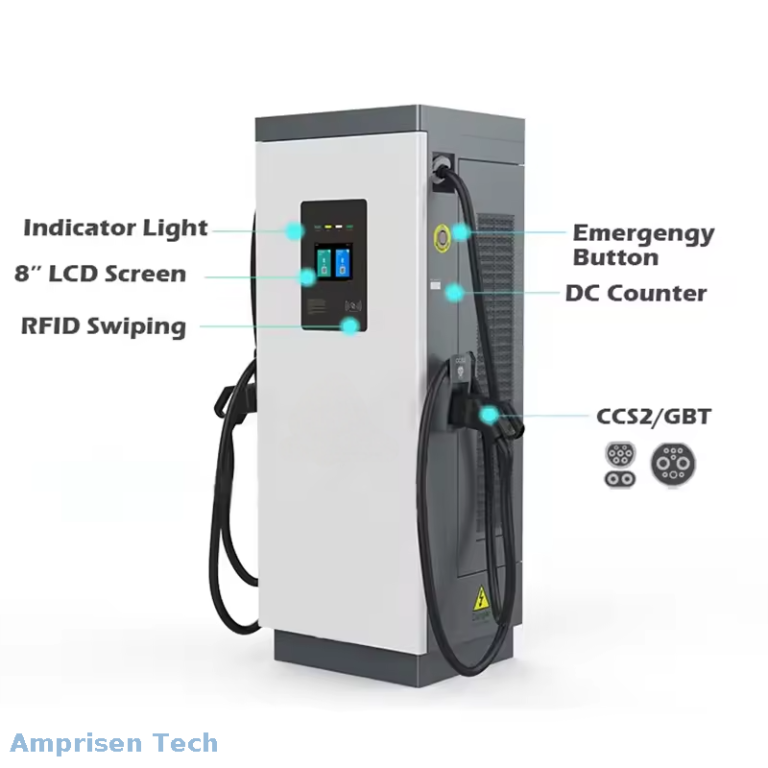
Use this DC fast charger commissioning checklist to verify grid supply, connectors, OCPP, payment or RFID workflow, safety, cooling, records, and handover before site launch.
Plan an AC EV charger site survey by checking power supply, phase, protection, mounting, cable route, network, OCPP, DLB, MID records, documents, and support before quotation.
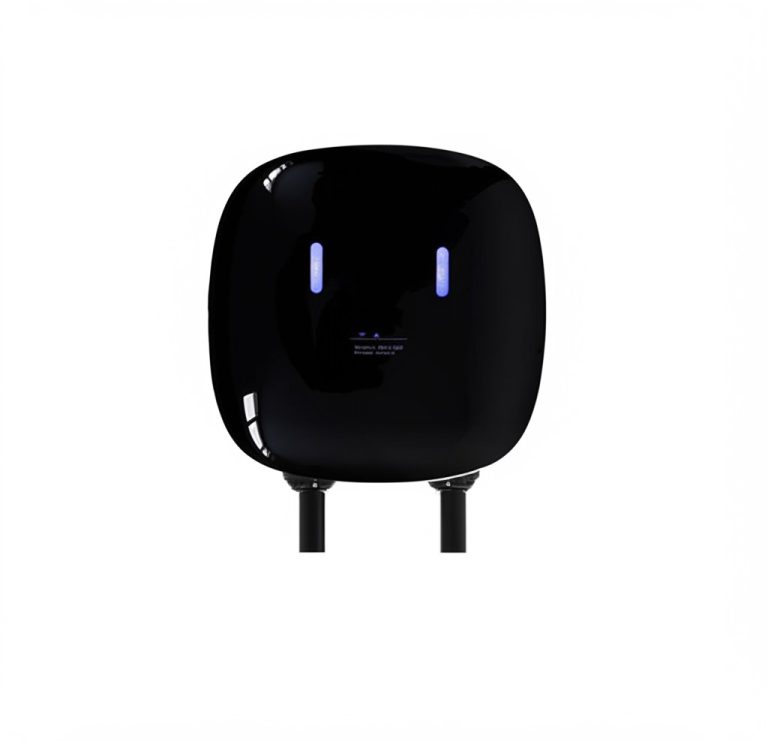
Use this AC EV charger sample approval checklist to verify power rating, protection, OCPP, DLB, MID, labeling, documents, installation fit, and support before bulk orders.
Plan EV charger sourcing for Europe and Australia by Type 2, power, phase, OCPP, RCM or local documentation, site checks, labels, packaging, and support process.
Verify OCPP backend compatibility by testing charger identity, network, RFID or app authorization, meter values, remote commands, fault reporting, and acceptance criteria.
Plan a DC fast charger site by grid capacity, connector mix, OCPP backend, payment or RFID workflow, cooling, cable reach, and service access before quotation.
Understand MID metering, OCPP charging records, RFID user identification, billing reports, and fleet reimbursement requirements before selecting EV charger hardware.
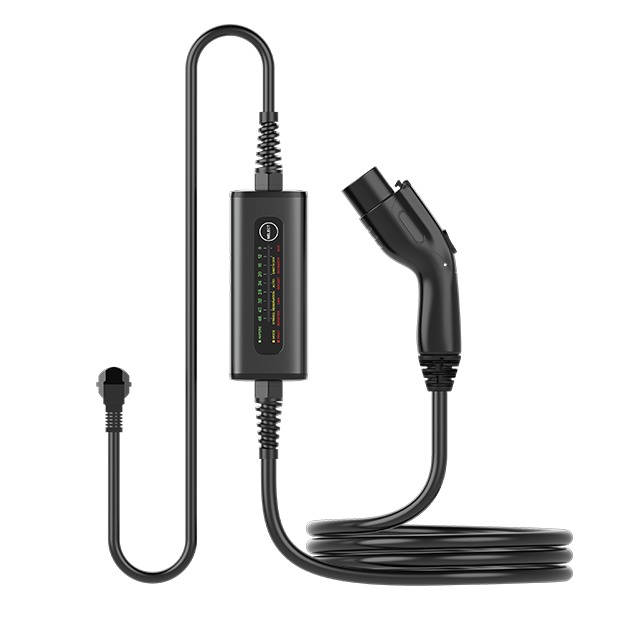
Specify an OCPP portable EV charger for fleet or rental charging by connector, input plug, power, 4G/Wi Fi, user access, charging records, MID metering, and backend testing.
Define OCPP charger requirements for hotels and destination parking, including access control, backend platform, metering, connector type, and support workflow.
OCPP articles help charge point operators, software teams, distributors, installers, and fleet managers evaluate connected charger requirements such as backend compatibility, remote monitoring, RFID access, app control, 4G communication, Ethernet, Wi-Fi, firmware support, charging-data management, and operator workflow. The goal is to separate simple private charging from projects where remote diagnosis, user authorization, energy records, reimbursement, or platform operation make connected hardware necessary.
Buyer questions answered
Which OCPP version, backend platform, and compatibility test process must the charger support before bulk purchasing?
Does the site require RFID cards, app control, load management, remote monitoring, error reporting, firmware support, or operator-side charging-data exports?
How will communication stability be handled for indoor garages, outdoor parking, portable chargers, fleet depots, and commercial sites using 4G, Wi-Fi, Ethernet, or LAN?
Who owns backend setup, SIM card management, charger commissioning, remote diagnosis, account creation, and after-sales operation after installation?
Selection notes
Confirm backend protocol, charger model, test environment, user authorization process, and acceptance criteria before treating a product as OCPP-ready
Review SIM, Ethernet, Wi-Fi, LAN, 4G band, firmware update, time-zone, meter record, RFID, and remote support requirements by target country
Only use OCPP hardware where software operation creates real customer value, such as billing, fleet reimbursement, remote monitoring, load control, public access, or service reporting
Related Amprisen solutions
OCPP AC Charger
Portable OCPP EV Charger
Commercial AC Charger
Fleet Charging
Amprisen
Project Assistant
Tell us what you need. We will collect the project details and route them to our sales team.