
AmprisenTech The Game Changing OCPP Portable EV Charger Revolutionizing EV Fleet Charging
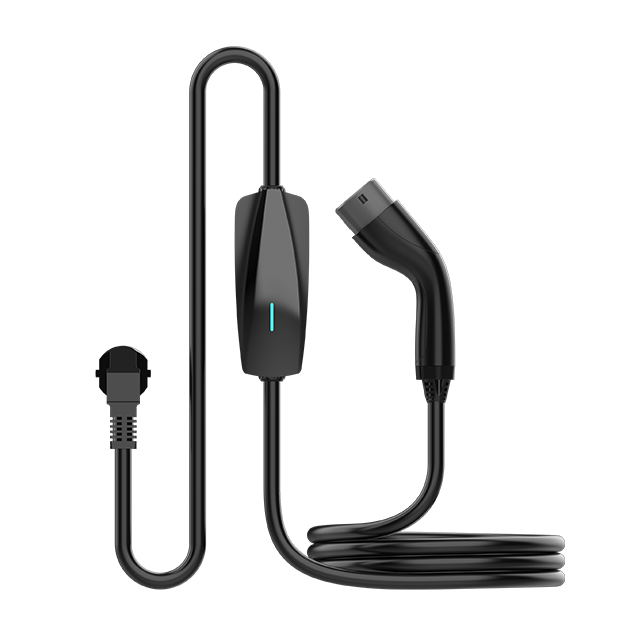
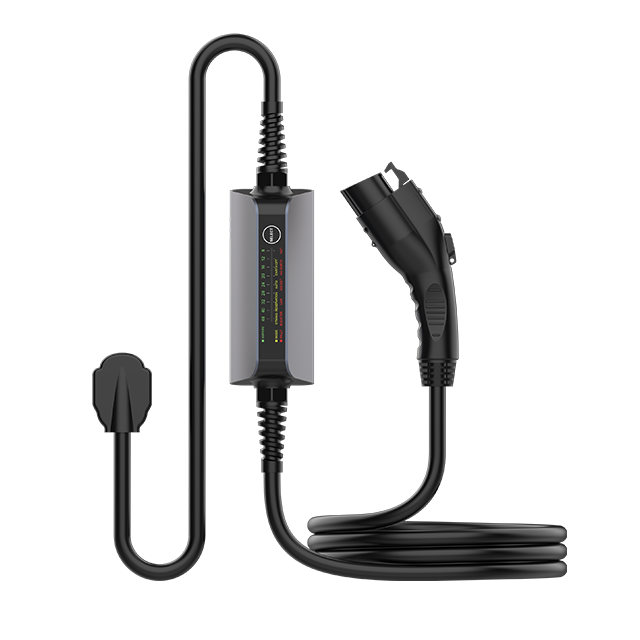
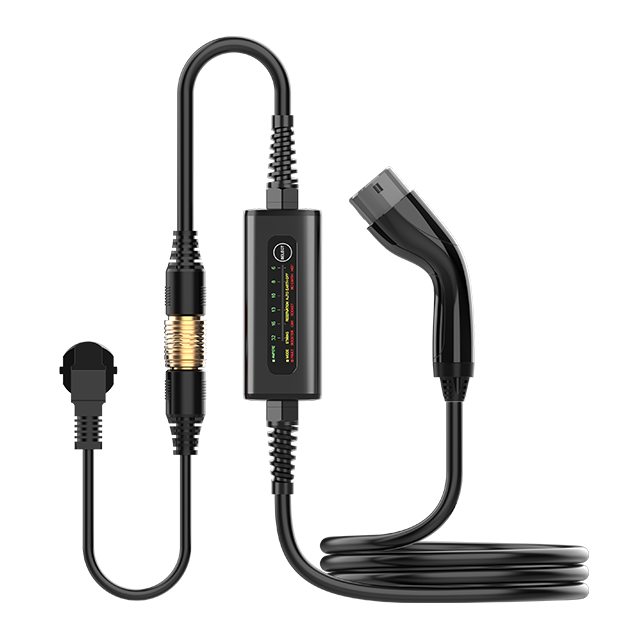
OCPP Portable EV Charger
Industry Background: The Shift to Electric Fleets
Fleet operators in Europe and North America are transitioning from internal combustion engine (ICE) vehicles to electric vehicles (EVs) due to sustainability goals and cost savings:
60-70% lower fuel costs: EV charging is much cheaper than refueling gasoline/diesel vehicles (U. S. Department of Energy).
50% reduction in maintenance costs: EVs eliminate the need for oil changes, transmission repairs, etc. (European Alternative Fuels Observatory).
However, the transition introduces a key challenge: managing EV charging infrastructure.
Market Pain Points in EV Fleet Charging
Fleet operators face three main challenges:
A. High Operational Costs
Expensive public charging: Charging stations often mark up electricity rates by 30-50%, cutting savings.
Infrastructure installation: Depot chargers cost $1,500–$5,000+ each due to electrical upgrades.
B. Lost Productivity
Downtime: Charging at depots or public stations wastes 1–2 hours per shift, reducing driving time.
C. Employee Home Charging Complexity Many fleets promote home charging, but issues arise:
Billing errors: Manual tracking of charging is prone to mistakes.
Tax compliance risks: Reimbursements without verifiable data may breach policies (e.g., IRS guidelines).
Lack of control: Home chargers lack remote monitoring, risking misuse.
The Role of OCPP 1.6J Compliance
To address reimbursement and compliance, chargers must support OCPP 1.6J:
Real-time data logging: Track k Wh usage, timestamps, and user authentication.
Remote management: Adjust charging schedules and access remotely.
Problem: Existing OCPP chargers are bulky, wall-mounted units requiring professional installation ($800–$2,000), making scalability difficult for dynamic fleets.
Amprisen Tech’s Solution: Portable OCPP 1.6J Charger
Amprisen Tech’s Portable EV Charger with OCPP 1.6J resolves these issues:
Key Features
A. Plug-and-play portability
Works with standard 240V-380V outlets—no electrician needed.
Compact design (3.5–22kW adjustable) for easy storage/transport.
B. OCPP 1.6J integration
Automatically generates audit-ready reports for accurate reimbursements.
Supports tax-compliant expense tracking via Wi Fi/4G.
C. Cost efficiency
Saves $1,000+ per unit vs. fixed chargers (no installation fees).
Easily reclaim and redeploy units when drivers leave.
Why This Matters for Fleet Operators
30% lower TCO: Compared to fixed chargers, reducing total cost of ownership.
Zero downtime: Drivers charge overnight at home, maximizing fleet usage.
Future-proof compliance: Built-in OCPP 1.6J ensures adaptability to evolving regulations.
Conclusion
Amprisen Tech’s portable OCPP charger solves the dual challenge of affordable infrastructure and compliant reimbursement workflows. By eliminating installation costs and automating data tracking, it helps operators fully realize the financial benefits of EVs without compromising scalability or compliance.
Data sources: U. S. DOE, European Alternative Fuels Observatory, IRS Publication 463.
Explore related EV charging topics
These topic links help readers and search engines connect this article with related market, product, and application pages.
Project notes for EV charging buyers
EV charging project notes and buyer guidance
Use this article to understand product selection, market standard, and project requirements before contacting Amprisen.
Main topic
EV Charger, Fleet Charging, OCPP, Portable Charging
Product relevance
Related news category: Product News
Next step
Share target market, connector standard, power range, quantity, certification, and backend requirements before quotation.
Buyer checklist
| Market | Residential, commercial, fleet, or public charging |
|---|---|
| Specification | Connector, power, communication, certification |
| Outcome | A clearer product shortlist and quotation request |
Related solution pages
Use these links to move from article context to actual product evaluation.