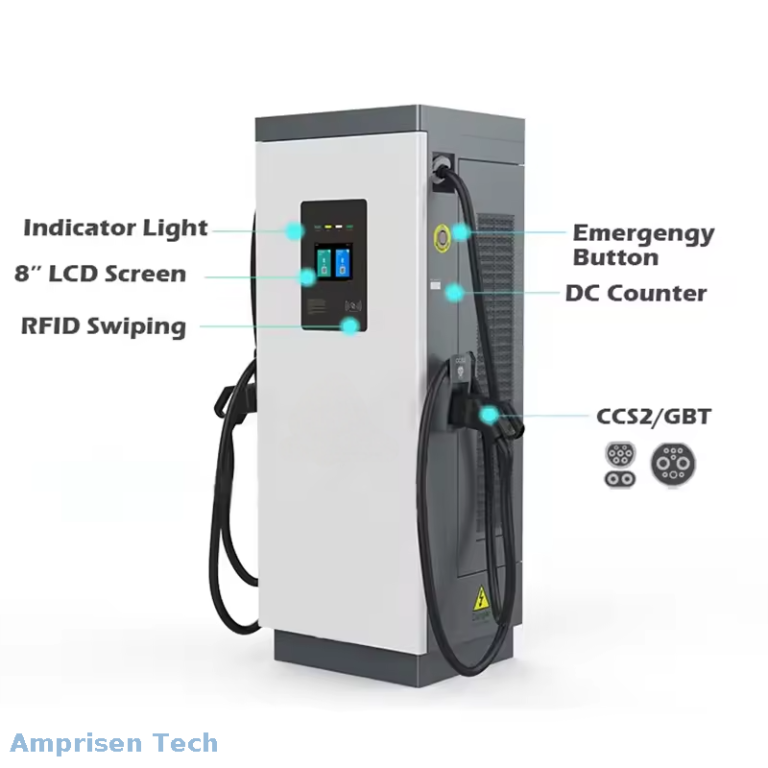
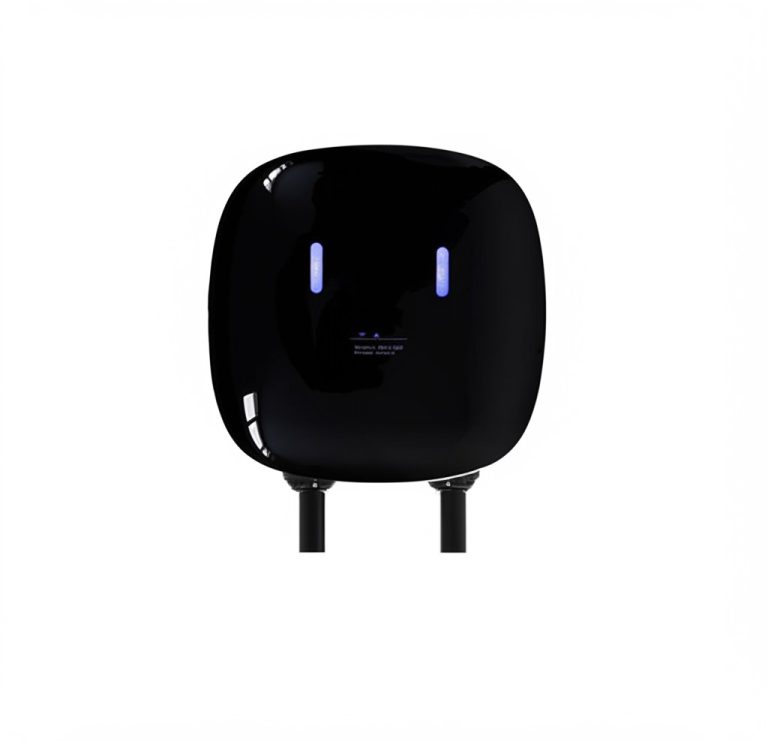
Use this DC fast charger commissioning checklist to verify grid supply, connectors, OCPP, payment or RFID workflow, safety, cooling, records, and handover before site launch.
Verify OCPP backend compatibility by testing charger identity, network, RFID or app authorization, meter values, remote commands, fault reporting, and acceptance criteria.
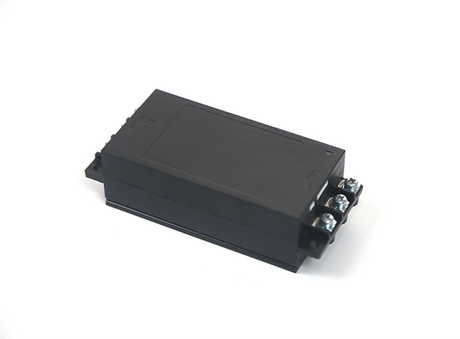
Select EV charging modules by power, electrical interface, controller compatibility, protection logic, cooling, mechanical fit, diagnostics, testing, and production schedule.
Plan a DC fast charger site by grid capacity, connector mix, OCPP backend, payment or RFID workflow, cooling, cable reach, and service access before quotation.
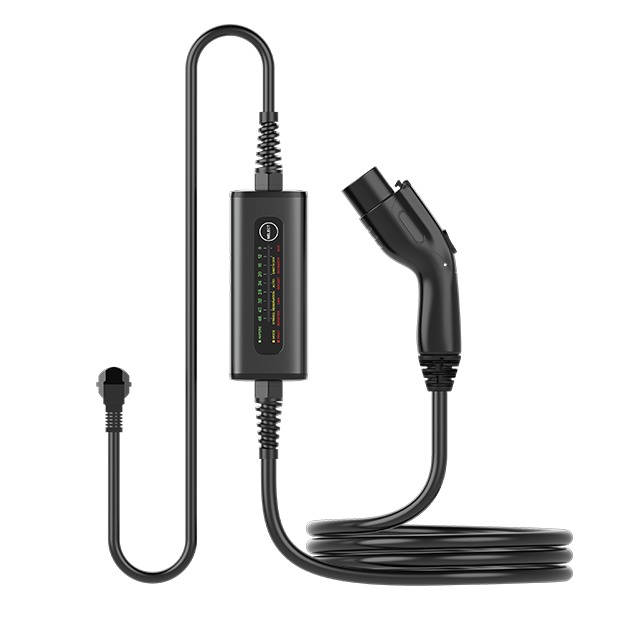
Choose Type 1, Type 2 or GBT portable EV chargers by market standard, connector, input plug, power, phase, smart functions, datasheet, and inquiry model.
Understand MID metering, OCPP charging records, RFID user identification, billing reports, and fleet reimbursement requirements before selecting EV charger hardware.
Specify an OCPP portable EV charger for fleet or rental charging by connector, input plug, power, 4G/Wi Fi, user access, charging records, MID metering, and backend testing.
Understand Dynamic Load Balancing for EV chargers, when DLB is useful, and how it affects apartments, workplaces, fleets, hotels, and commercial charging sites.
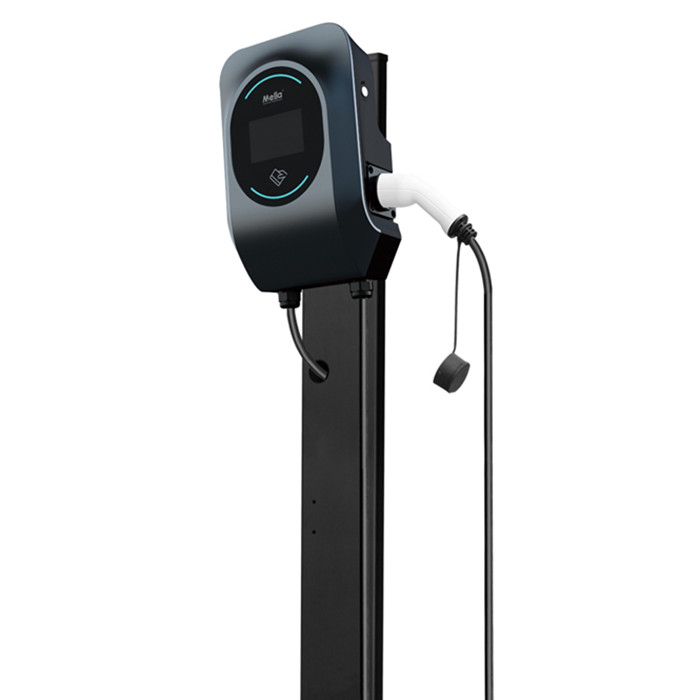
Fleet Charging articles help logistics companies, company car programs, taxi operators, delivery fleets, service-vehicle teams, and depot managers plan overnight charging, route-based top-up charging, charger power mix, RFID driver allocation, OCPP monitoring, cable durability, uptime expectations, spare-unit strategy, and scalable installation phases. The goal is to connect daily fleet operation with a charger configuration that drivers can actually use every shift.
Buyer questions answered
How many vehicles must charge overnight, between routes, or during driver shift changes?
When does the fleet need DC fast charging instead of AC depot charging, and where is the grid capacity available?
How will managers track driver allocation, charging sessions, energy use, uptime, faults, and maintenance records through RFID or OCPP?
Which charger positions, cable lengths, wall or floor mounting options, and maintenance access points reduce driver delay at the depot?
Selection notes
Start from route schedule, dwell time, battery size, return-to-base pattern, parking layout, and grid capacity before choosing charger power
Use RFID and OCPP when driver allocation, reimbursement records, uptime reporting, remote diagnosis, and fleet charging data matter to operations
Plan expansion phases, spare units, weather protection, cable durability, maintenance access, and service responsibility before finalizing hardware or backend settings
Related Amprisen solutions
Fleet AC Charger
DC Fast Charger
OCPP Backend Charger
Charging Module
Amprisen
Project Assistant
Tell us what you need. We will collect the project details and route them to our sales team.