
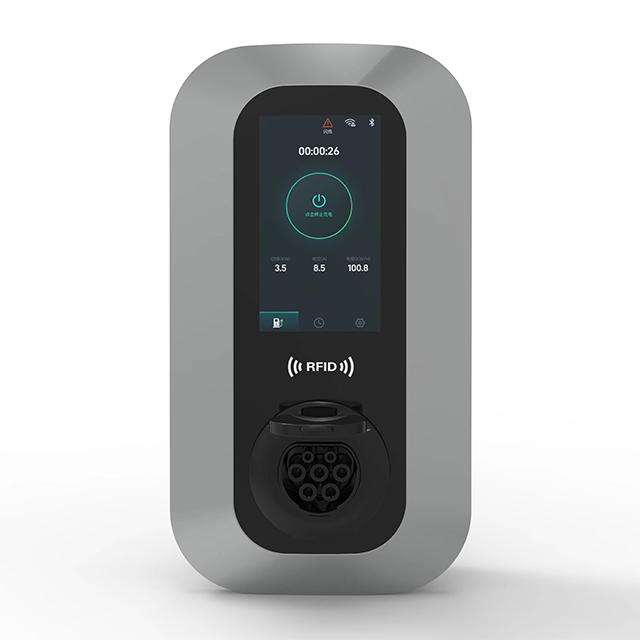
AC EV Charger Manufacturer Selection Guide for Distributors and Installers
Compare AC EV charger manufacturers by market standard, 7kW/11kW/22kW range, OCPP, RFID, DLB, documentation, OEM/ODM support, and after-sales process.
Compare AC EV charger manufacturers by market standard, 7kW/11kW/22kW range, OCPP, RFID, DLB, documentation, OEM/ODM support, and after-sales process.
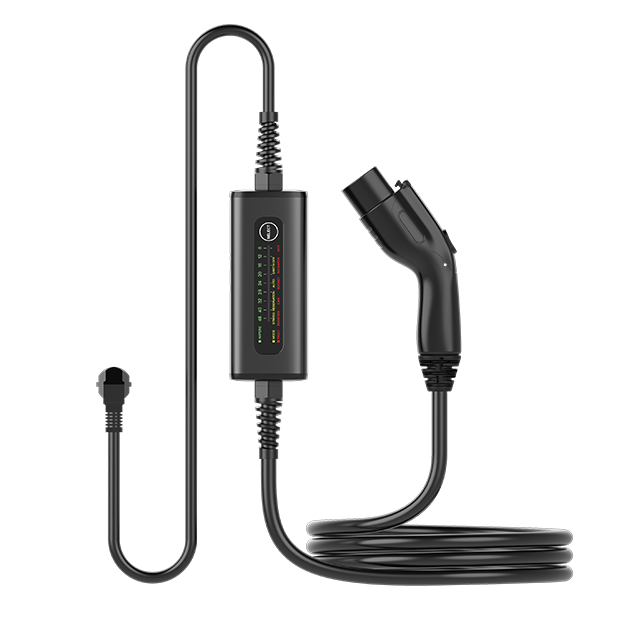
Specify an OCPP portable EV charger for fleet or rental charging by connector, input plug, power, 4G/Wi Fi, user access, charging records, MID metering, and backend testing.
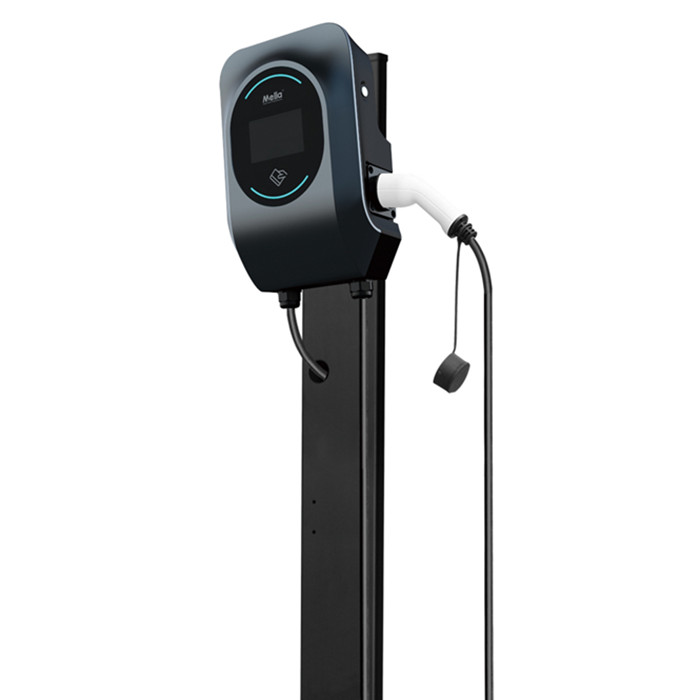
Define OCPP charger requirements for hotels and destination parking, including access control, backend platform, metering, connector type, and support workflow.
Review portable EV charger buyer checks for Australia, including Type 2 connectors, site power, RCM expectations, smart charging, OCPP, and metering.
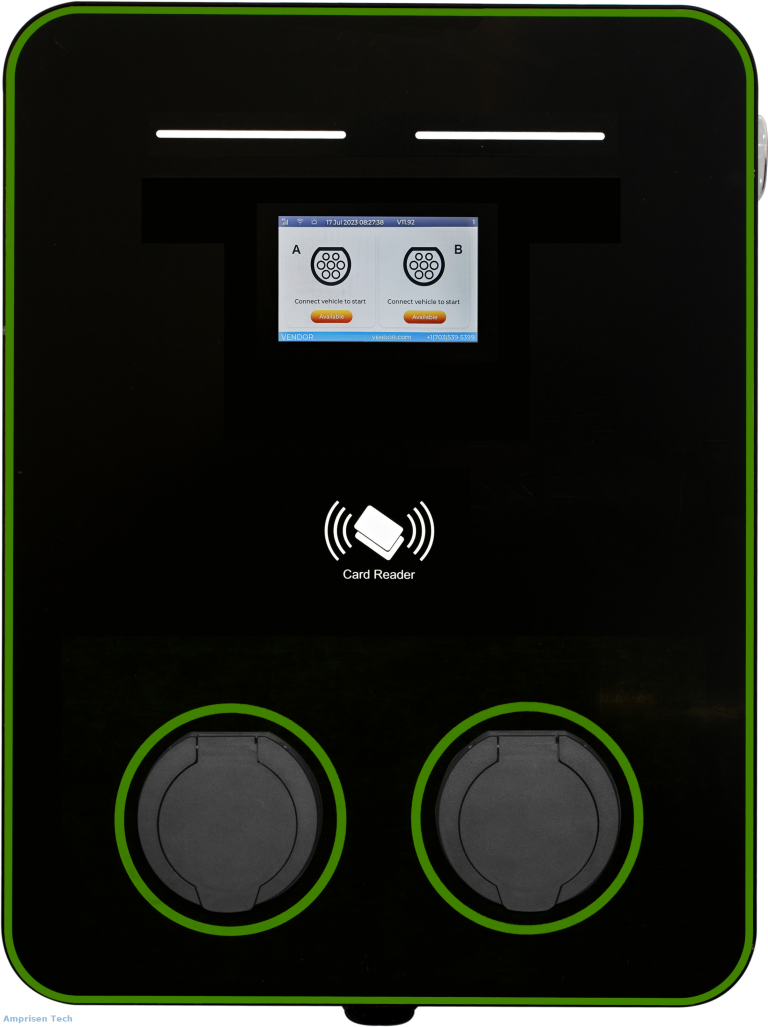
Compare AC and DC EV chargers for commercial parking sites, including dwell time, power capacity, OCPP, billing, and expansion planning.
Learn when portable OCPP EV chargers fit fleet charging projects, how they support managed charging, and what buyers should check before deployment.
Compare GB/T and Type 2 EV charger connectors by market, vehicle compatibility, AC power planning and product format. Includes Type 1 context for buyers.
Compare Type A and Type B RCD requirements for EV chargers, including 6mA DC leakage detection, installation rules, and buyer questions before quotation.
Learn what MID metering means in EV charging, when it matters for billing or reimbursement, and what buyers should confirm before selecting chargers.
Learn what OCPP EV charging means, how charger-backend communication works, and when OCPP matters for AC, DC, portable, fleet, and commercial charging projects.
EV charging insights
EV Charger articles collect buying notes across AC wallbox chargers, portable chargers, DC fast chargers, cables, and charging modules, giving distributors and project teams a clearer path from application scenario to product shortlist.
Amprisen