

Inside an EV Charger Factory: What European Distributors Should Audit Before Ordering
EV charger factory audit guide for European distributors. Verify production flow, in-house testing, traceability, calibration and DEKRA reports before ordering.
EV charger factory audit guide for European distributors. Verify production flow, in-house testing, traceability, calibration and DEKRA reports before ordering.
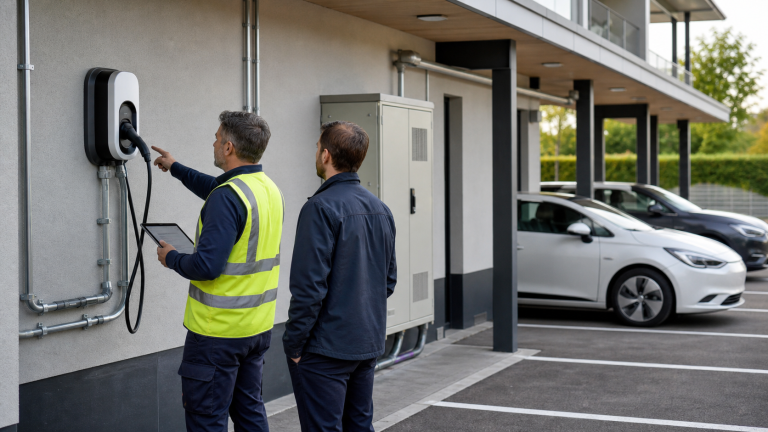
Plan an AC EV charger site survey by checking power supply, phase, protection, mounting, cable route, network, OCPP, DLB, MID records, documents, and support before quotation.
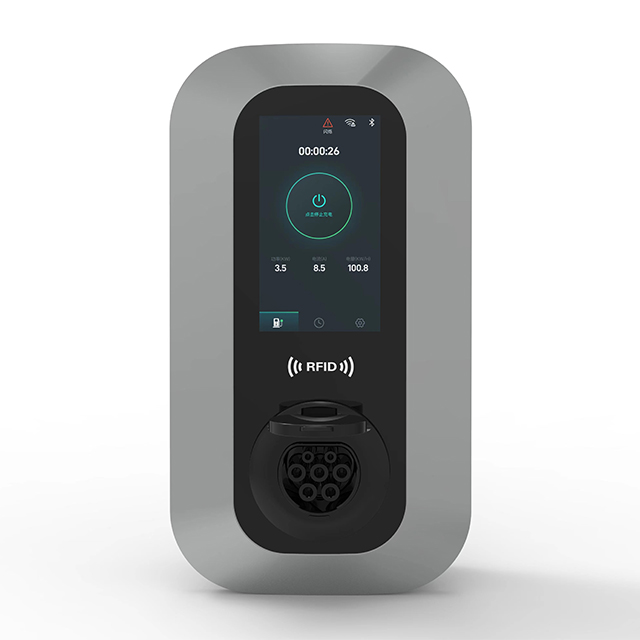
Plan EV charger sourcing for Europe and Australia by Type 2, power, phase, OCPP, RCM or local documentation, site checks, labels, packaging, and support process.
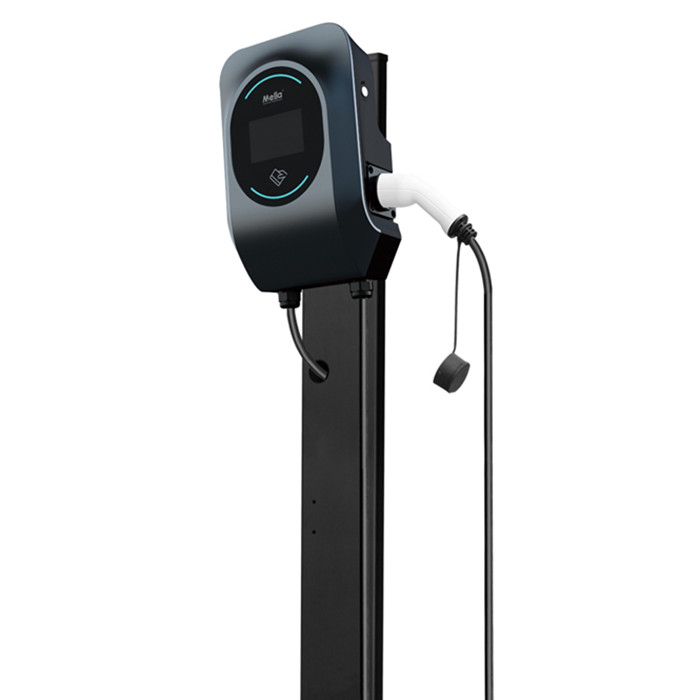
Verify OCPP backend compatibility by testing charger identity, network, RFID or app authorization, meter values, remote commands, fault reporting, and acceptance criteria.
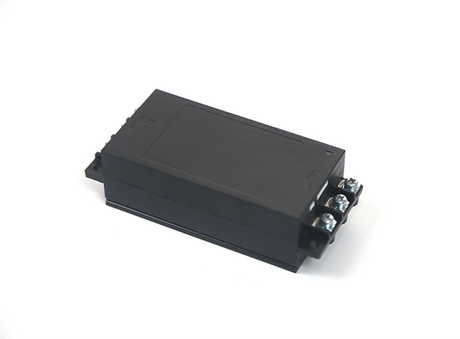
Select EV charging modules by power, electrical interface, controller compatibility, protection logic, cooling, mechanical fit, diagnostics, testing, and production schedule.

Choose EV charging cables by Type 1/Type 2 connector, current rating, phase, voltage, cable length, IP rating, durability, packaging, and B2B sourcing needs.
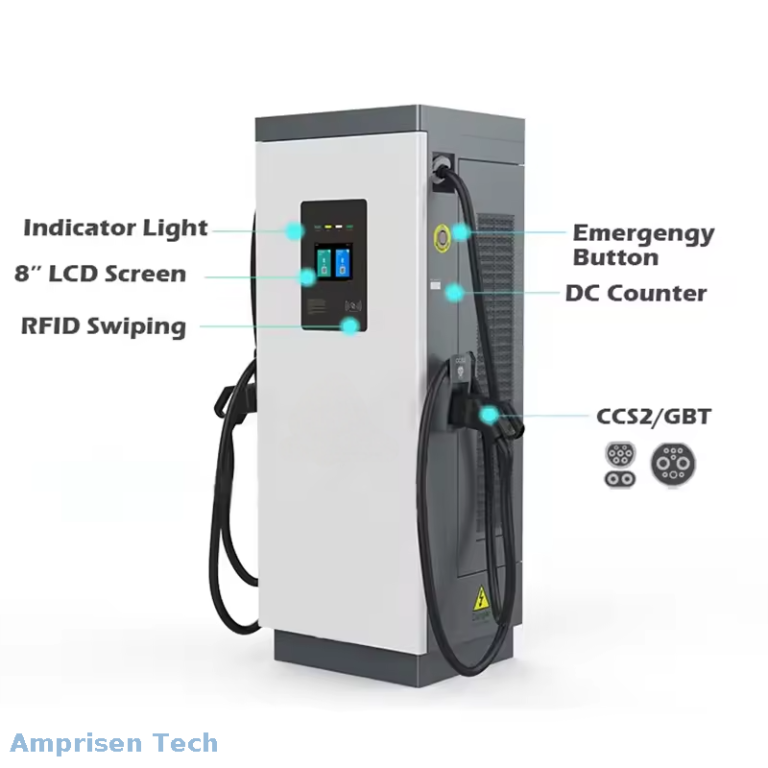
Plan a DC fast charger site by grid capacity, connector mix, OCPP backend, payment or RFID workflow, cooling, cable reach, and service access before quotation.
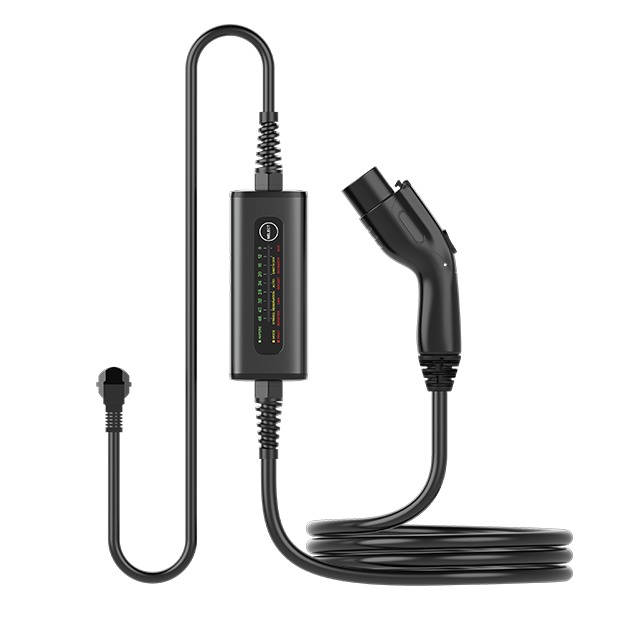
Understand MID metering, OCPP charging records, RFID user identification, billing reports, and fleet reimbursement requirements before selecting EV charger hardware.
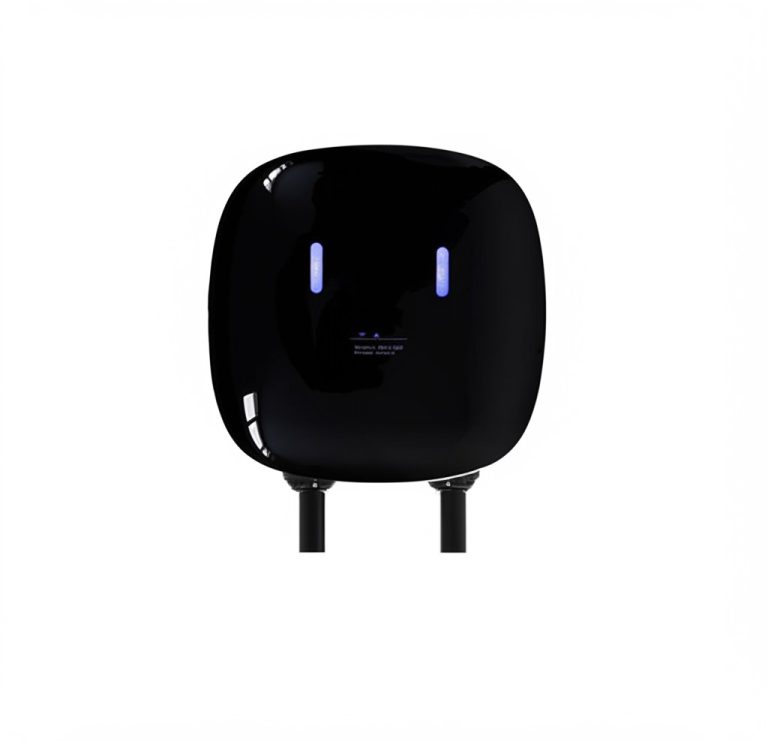
Plan Dynamic Load Balancing for EV chargers by site capacity, measurement point, charger group, user priority, OCPP visibility, and future expansion.
Compare AC EV charger manufacturers by market standard, 7kW/11kW/22kW range, OCPP, RFID, DLB, documentation, OEM/ODM support, and after-sales process.
EV charging insights
Commercial Charging articles support hotels, offices, retail sites, parking operators, property managers, and installers comparing charger hardware, OCPP backend needs, RFID access, app payment, site appearance, installation constraints, maintenance access, and long-term charging operations. These notes help a buyer turn a parking area, hotel car park, office facility, shopping center, or public lot into a practical charger specification instead of choosing only by product photos.
Amprisen