
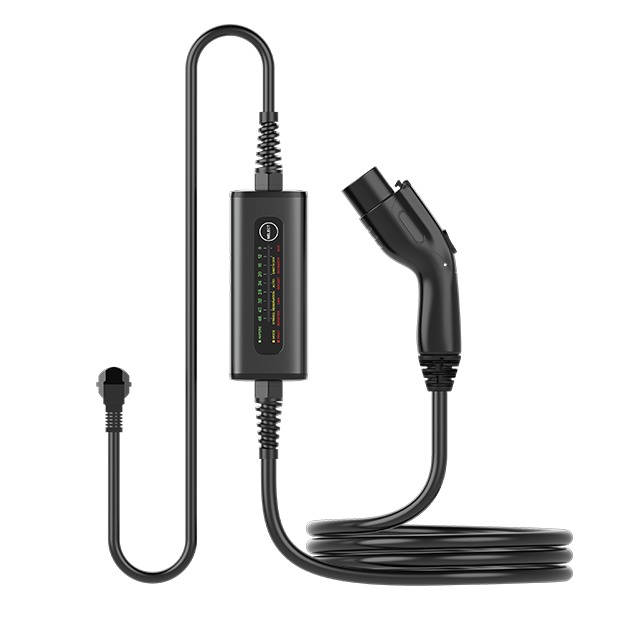
Portable EV Chargers for Australia: Type 2, RCM, Site Power, and Buyer Checks
Review portable EV charger buyer checks for Australia, including Type 2 connectors, site power, RCM expectations, smart charging, OCPP, and metering.
Review portable EV charger buyer checks for Australia, including Type 2 connectors, site power, RCM expectations, smart charging, OCPP, and metering.
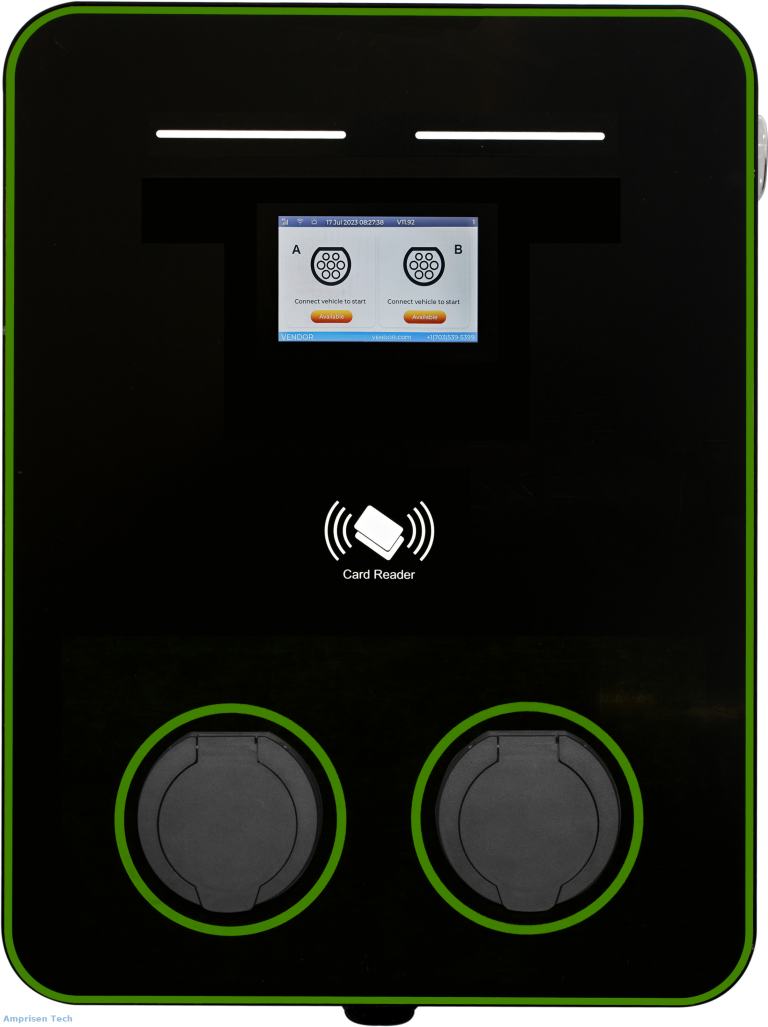
Compare AC and DC EV chargers for commercial parking sites, including dwell time, power capacity, OCPP, billing, and expansion planning.
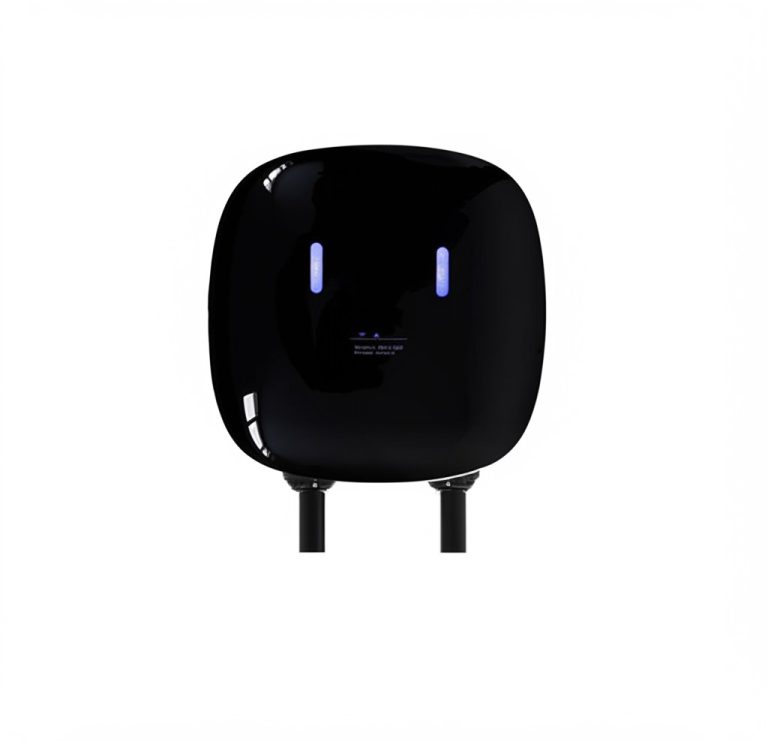
Plan apartment EV charging with AC wallboxes, dynamic load balancing, OCPP access control, metering, and practical expansion steps.
Learn when portable OCPP EV chargers fit fleet charging projects, how they support managed charging, and what buyers should check before deployment.
Learn what MID metering means in EV charging, when it matters for billing or reimbursement, and what buyers should confirm before selecting chargers.
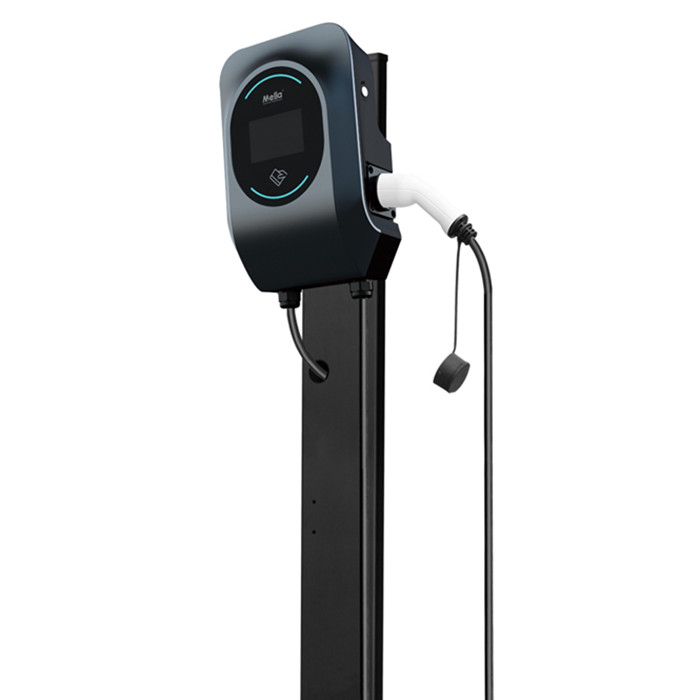
Learn what OCPP EV charging means, how charger-backend communication works, and when OCPP matters for AC, DC, portable, fleet, and commercial charging projects.

We were honoured to welcome our strategic partner and representative from Turkey to our AC EV Charger production facility. The visit focused on product quality, advanced manufacturing, and integration opportunities with Turkish and European charging networks….
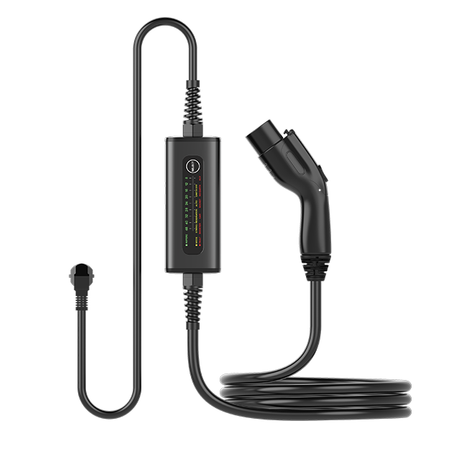
The OCPP Portable EV Charger offers a versatile and cost-effective solution for EV fleets, especially in managing electricity billing reimbursement. It allows employees to charge their vehicles conveniently at home instead of relying on de…
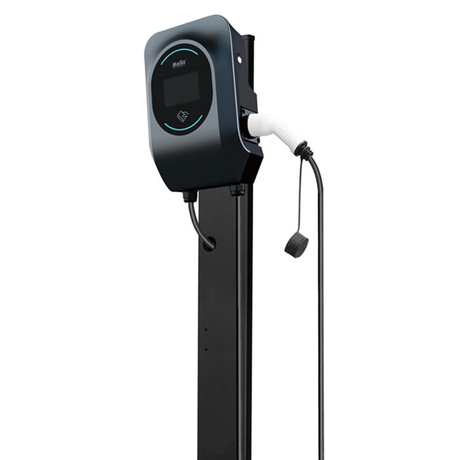
Introducing the Amprisen Tech AC EV Charging Station, a robust and adaptable charging solution designed for both residential and commercial applications. Delivering a reliable 7kW (32A at 250V) charging power, this station ensures efficient…
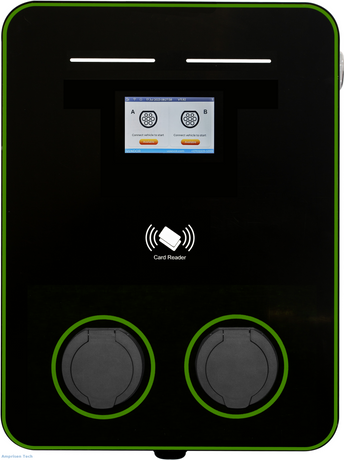
Product Technical Specifications Input & Output Power rating (Double gun): 14kW (1 Phase) / 22kW (3 Phase) / 44kW (3 Phase) Charging interface type: GB/T 20234 / IEC 61851 / SAE J1772 Input & Output voltage: AC220V±10% (1 Phase) / AC380V±10% (3 Phase) Output…
EV charging insights
OCPP articles help charge point operators, software teams, distributors, installers, and fleet managers evaluate connected charger requirements such as backend compatibility, remote monitoring, RFID access, app control, 4G communication, Ethernet, Wi-Fi, firmware support, charging-data management, and operator workflow. The goal is to separate simple private charging from projects where remote diagnosis, user authorization, energy records, reimbursement, or platform operation make connected hardware necessary.
Amprisen